
Gold Tube Infrared Heaters: Why Pin-Lead Sealing Makes All the Difference
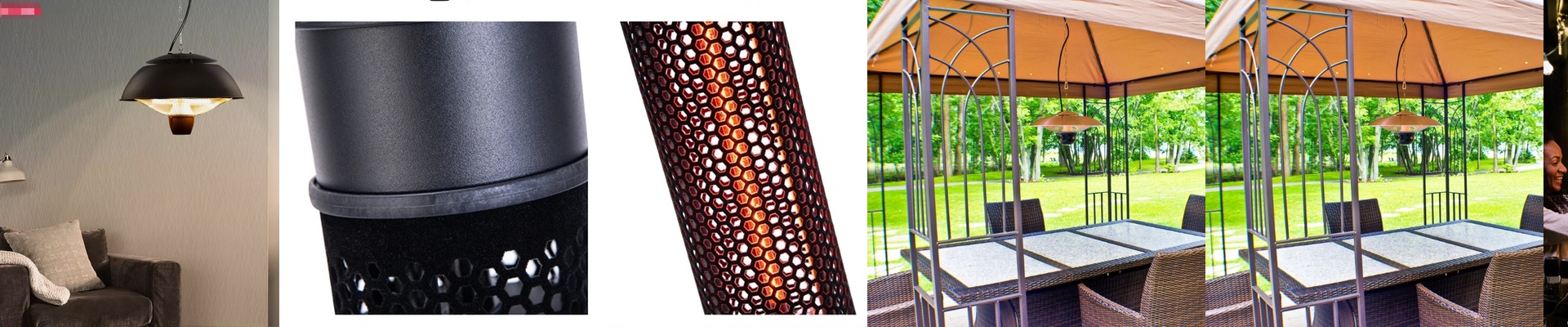
Let’s talk about what really matters when you need a heater that just keeps going, even when the temperature cranks up. A gold tube infrared heater is built for one thing: delivering intense, focused heat right where you need it—without wasting energy heating the air around it. The tube itself is tough. The real vulnerability? That tiny spot where the inside element connects to the outside wires. That’s where the magic—or the mess—happens.
Getting the Power Right
These heaters are all about packing serious heat into a small space. So we match the voltage and wattage to the size of your target zone and how fast you need it to heat up. The length of the tube shapes the heat pattern, giving you a tight, predictable beam instead of a weak, spread-out glow. That’s why you can’t just swap heaters of different lengths and expect the same performance. Shorter tubes concentrate the power. Longer ones spread it out. It’s geometry, plain and simple.
The Seal That Actually Holds Up
The gold-coated quartz tube? Chosen because it delivers steady infrared heat with consistent output. But the inside is where the real test happens. Inside, the filament meets the leads—and that connection gets hammered every time the heater cycles hot and cold. Standard connectors can loosen, oxidize, and eventually fail. You end up with hot spots, and then—poof—you’re replacing burnt parts. So we use pin-lead sealing. It’s a serious, industrial-grade process that locks the internal joint in place, then seals the whole transition with a potting compound. The result? A connection that stays solid, even after countless heat-up and cool-down cycles. And the R7s connector? It gives you a direct, sturdy link that handles the current and keeps the pressure on. It’s simple, it’s replaceable in the field, and it keeps your wiring clean and consistent.
Built for the Grind
This setup isn’t for occasional use. It’s for machines that run hard, turn on and off all day, and deal with constant thermal shock and vibration. With the sealed lead, you cut down on the most common failure points. That means fewer surprise breakdowns. Fewer late-night maintenance calls. Just steady, reliable heat—cycle after cycle. Now, there’s one thing to keep in mind: high watt density means this thing runs hot. So give it room to breathe. Plan for enough clearance, add heat shielding where needed, and make sure airflow and cooling are handled. Do that, and you’ll get the performance you want—without the drama.