
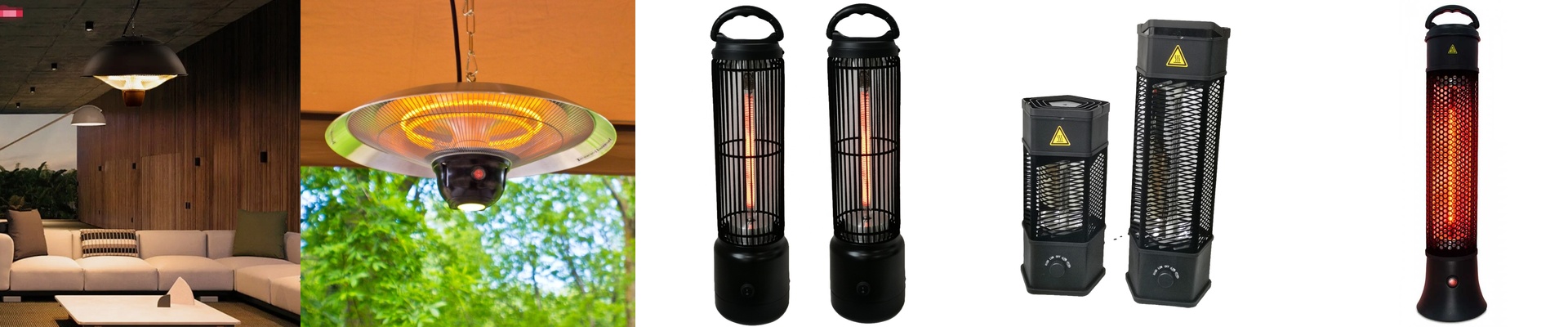
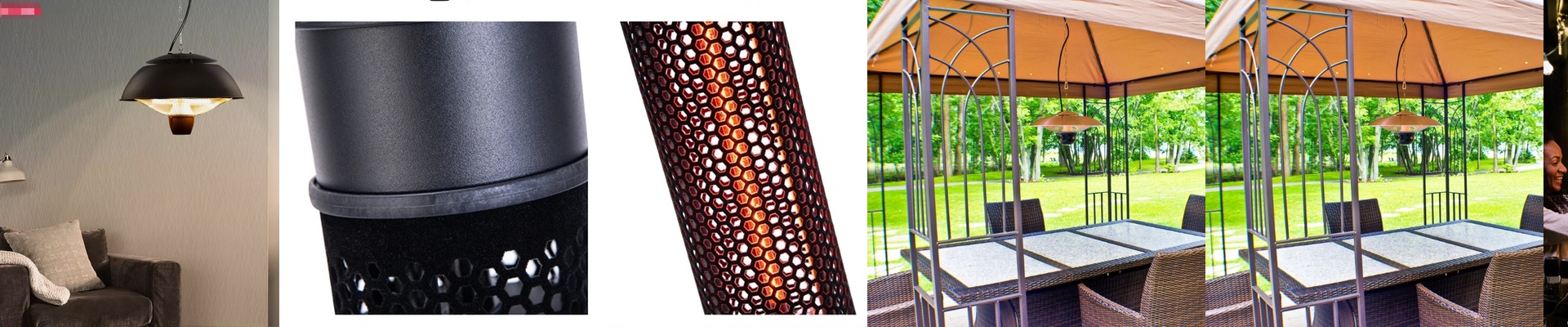

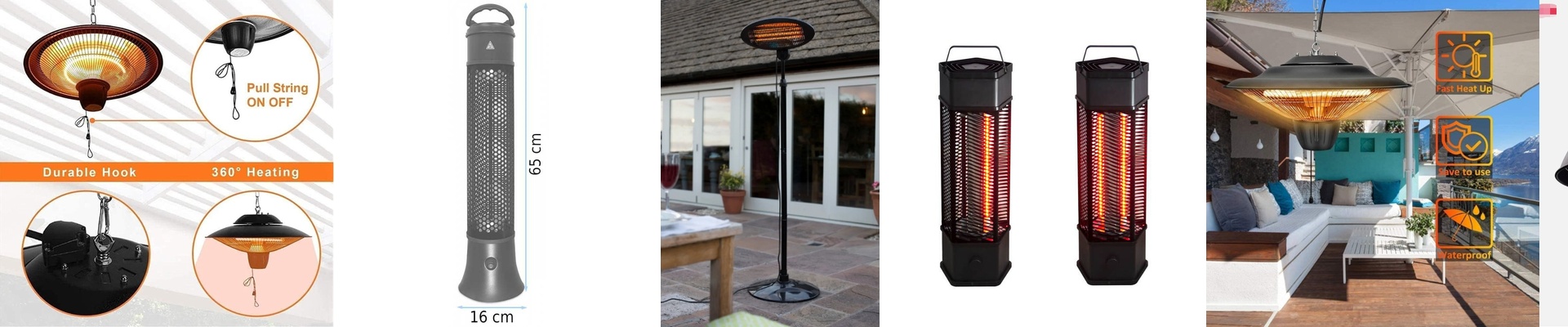
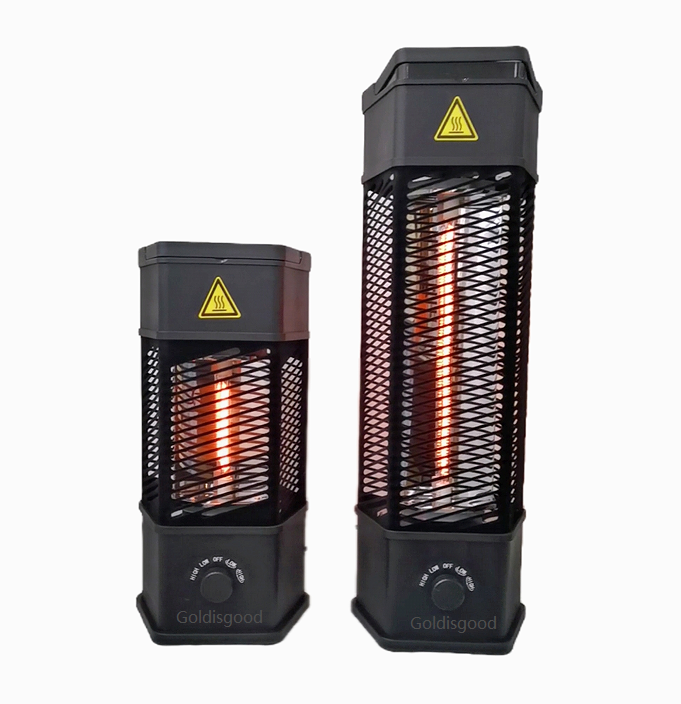
Step out of a hot shower and the air hits you—cold, clammy, already hinting at dark edges along the grout. In a bathroom, warmth isn’t just comfort. It’s the first line of defense against moisture that feeds mold. A commercial radiant heater, tuned to infrared wavelengths, changes that. It heats surfaces and people directly, not the air.
What matters, technically
We build these around short-wave infrared emitters, often housed in quartz tubes that can take steam and rapid thermal cycling. The physics is straightforward: radiant heat travels in straight lines, warming walls, floors, and skin without pushing air around. That means less disturbance of dust and allergens, and faster recovery after a shower. Many commercial units run on 240V to deliver higher output while keeping circuit loads stable. We pair that with sealed housings and protective guards to manage heat density safely.
Why it works in a bathroom
In a bathroom, moisture clings. When the room stays cool, condensation lingers on tiles and mirrors—and mildew follows. Infrared warmth keeps surfaces above the dew point, so beads don’t form in the first place. That supports better drying and cuts down on the conditions that let mold take hold. It’s not a dehumidifier, but it lightens the moisture load by keeping the room feel dry, which makes the whole routine quicker, cleaner, and more comfortable.
What you need to know
Installation takes planning. These heaters do their best work when positioned to bathe the key surfaces, not tucked away in a corner. They need dedicated circuits, and where water is present, pair them with GFCI protection. Expect a warm glow, just like a heat lamp—so aiming and shielding matter for comfort. Keep the unit out of direct spray, and respect clearance distances to surrounding materials. When it’s placed correctly, the payoff is a bathroom that feels drier, stays clearer, and needs far less scrubbing.