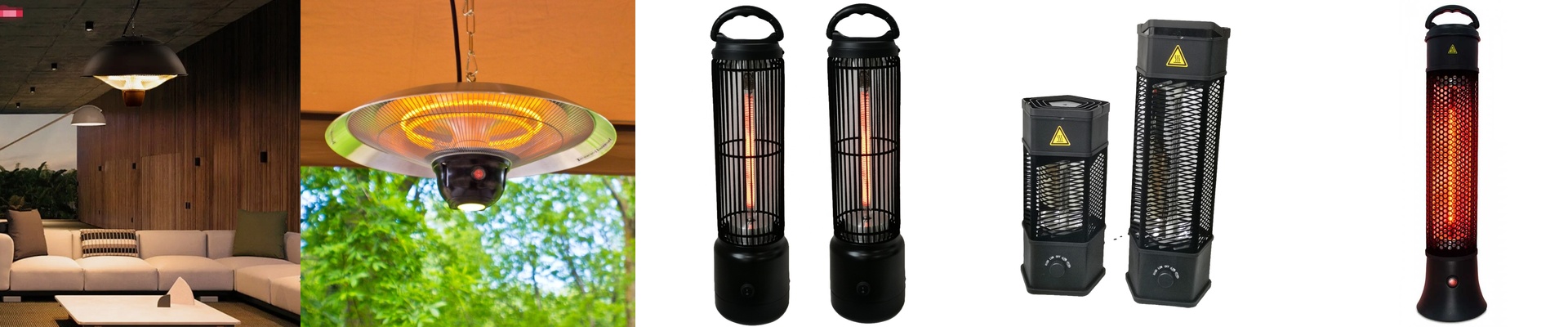
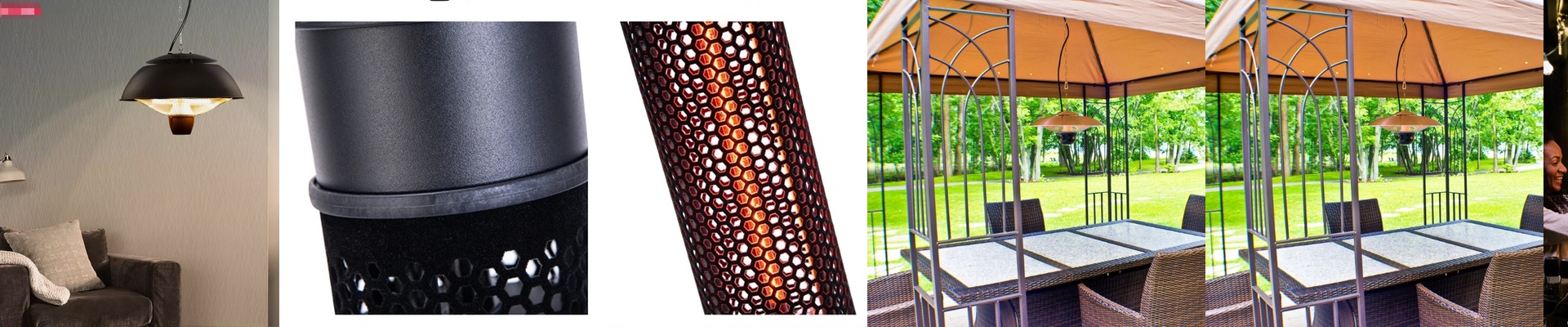
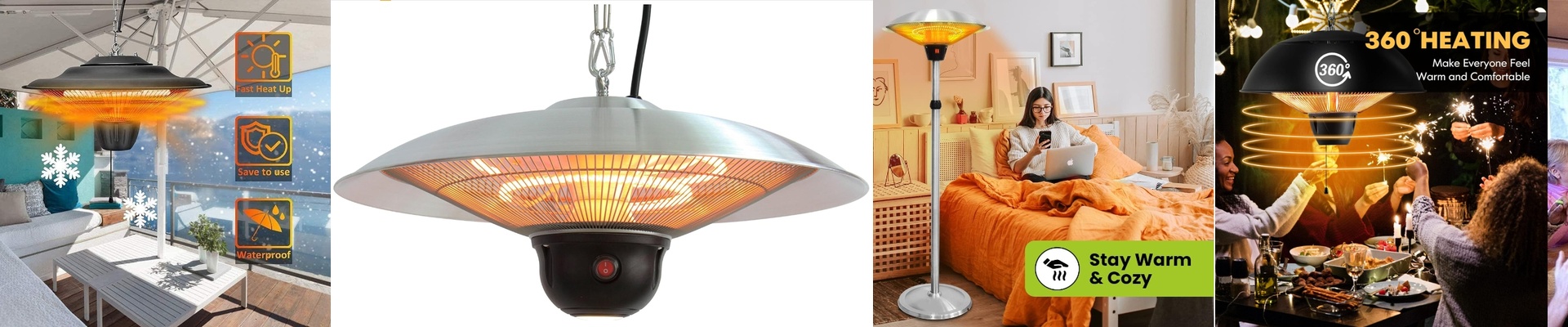
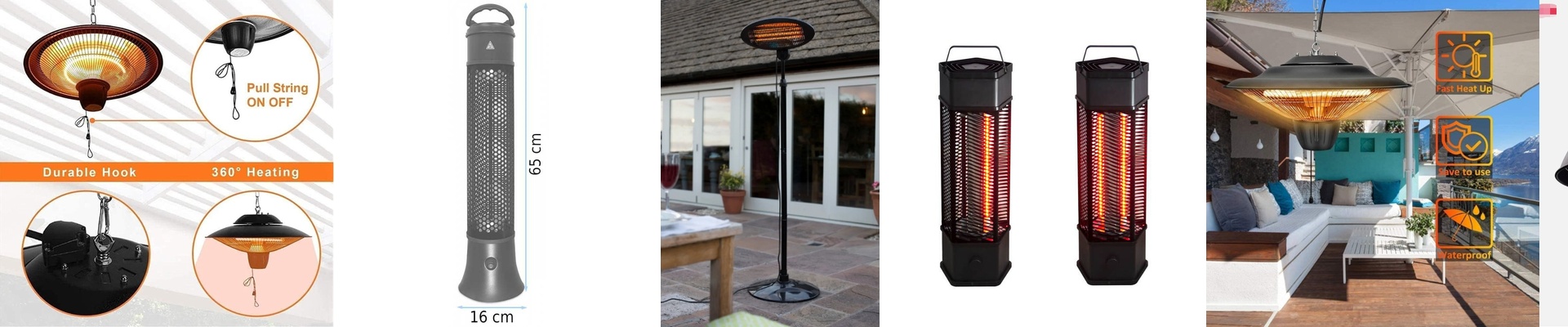

CE-Certified Infrared Heaters: Built for the Real Work
Let’s get straight to it. We built this USB electric heater to be a proper workhorse, not a flimsy gadget you’d toss in a drawer. It’s CE-certified, for starters. But more importantly, it’s designed for jobs that demand serious, pinpoint heat. This isn’t for casual use. It’s an industrial-grade component, built to be reliable and to deliver steady, consistent heat, day in and day out.
Power and Size: Where the Heat Comes From
Here’s the thing about this heater: it’s serious about power. It runs on 400V and packs a 2500W punch. All that power is packed into a compact 300mm tube. That’s a lot of heat in a small space, exactly what you need for tough industrial jobs. A standard 220V circuit just can’t handle the demand. The 400V input keeps the power flowing strong, so you don’t get voltage dips and the temperature stays right where you need it, even when things are running at full tilt.
Built to Last: Halogen, Quartz, and the R7s Fit
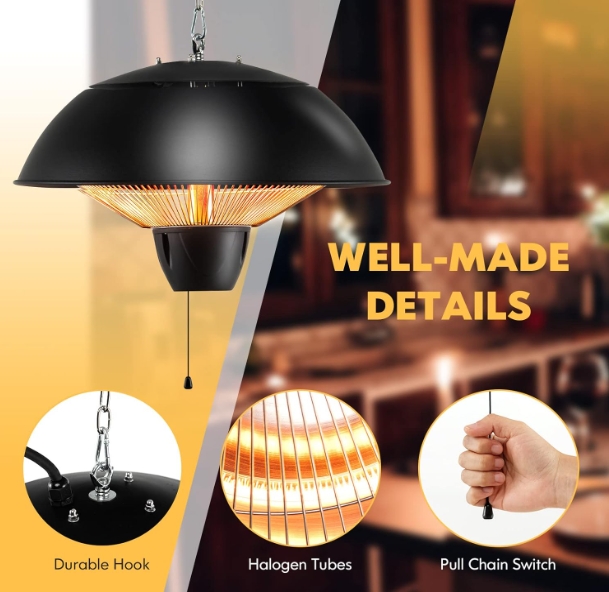
We chose a halogen-filled quartz tube for the heating element. Why? Because it’s built for the long haul. The halogen gas helps the tungsten filament last longer by constantly regenerating it. No more premature burnouts. The quartz tube itself can handle the shock of heating up and cooling down fast, without cracking under the stress. And that R7s connector? It’s a smart, practical choice. It’s a tough, two-pin fitting that handles high current without getting hot or loose. It makes the whole unit a simple, drop-in replacement for any system already using an R7s connection.
The Sweet Spot: Where It Shines (and What to Watch For)
This heater really shines in applications like PET blowing, where you need intense, focused heat right now. It uses shortwave infrared to heat the surface directly, not the air around it. That makes the whole process way more efficient. But there’s a trade-off to all that concentrated power. You have to make sure your machine’s cooling system is up to the task. Without enough cooling, that localized heat can warm up the area around the heater, which can shorten the life of nearby electronics. We’ve built this heater to take a beating, no question. But the system it’s in has to be just as well-engineered to keep everything running smoothly.