
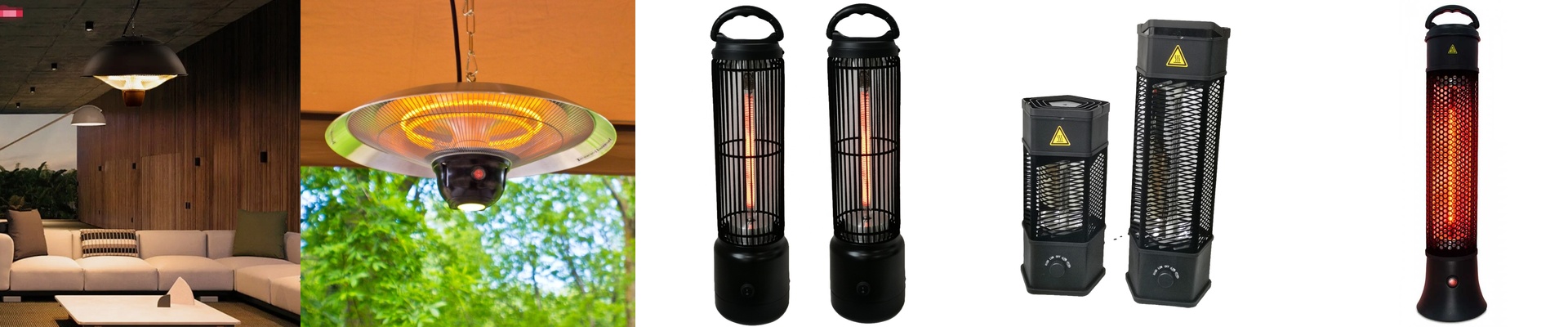
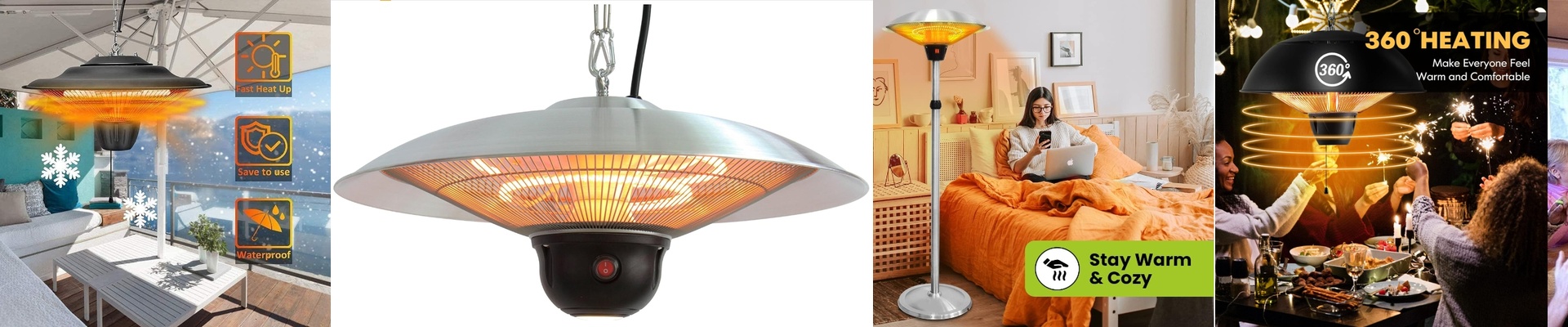
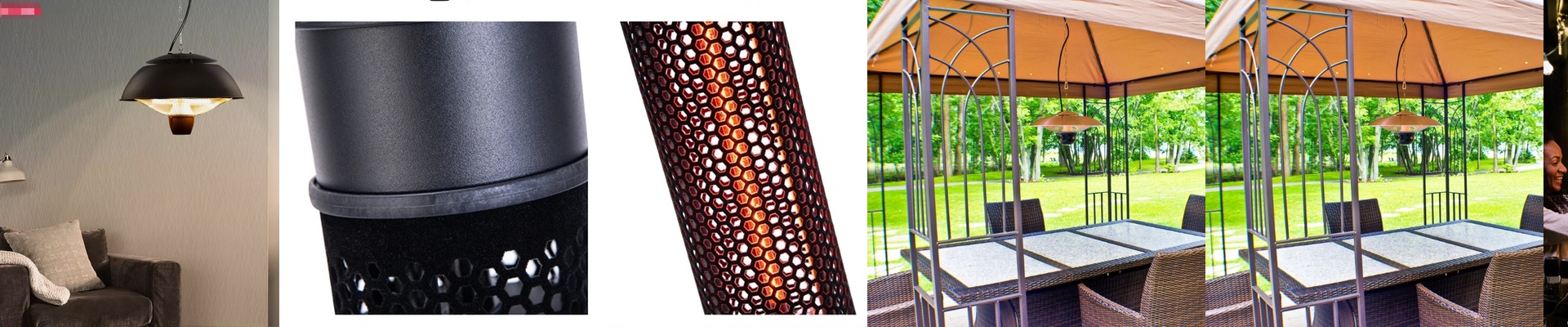
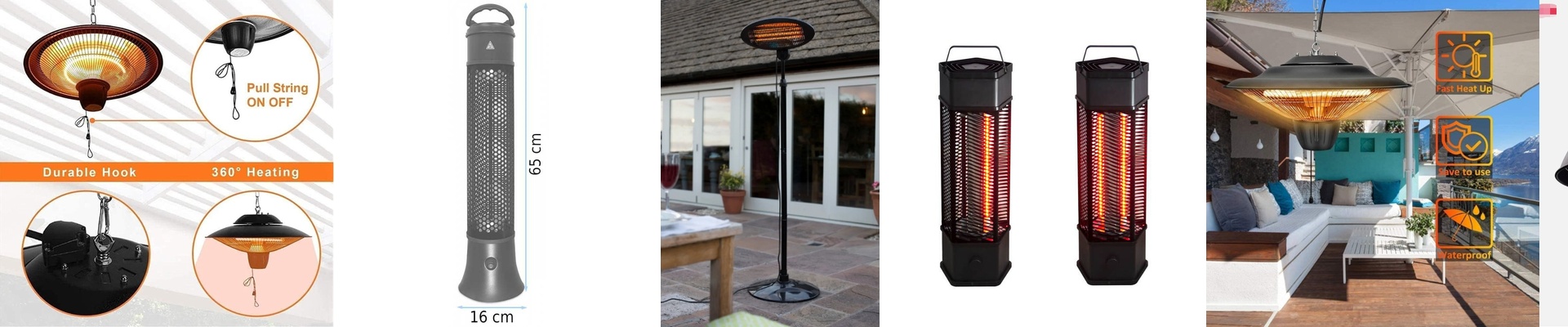
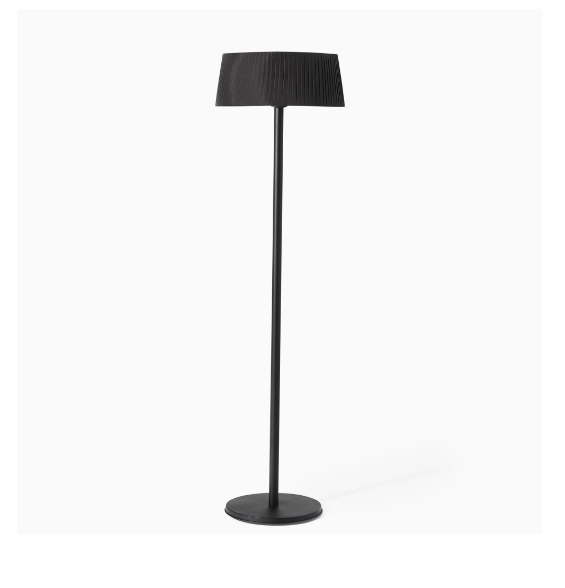
When winter really sets in, the cold does more than just make you uncomfortable. It drags you down, knots your shoulders, and turns evenings into a slow crawl while you wait for the room to catch up. Conventional heaters just blow air around—kicking up dust, cycling on and off, and leaving you shivering between blasts. We built our wall-mounted electric heater on a simpler principle: radiant heat that shows up where you need it, exactly when you need it. What matters under the hood Our wall-mounted electric heater runs on a carbon fiber infrared element, tuned to a specific wavelength. It delivers direct radiant warmth that travels outward and heats people and surfaces first. You feel it almost instantly—no waiting around for the air to warm up. It runs quietly, pulls 1,500W on standard household voltage, and sits close to the wall with a slim profile. A built-in thermostat holds the temperature steady, and you get tip-over protection plus overheat protection for practical safety. The sealed design and IP rating make it work in covered outdoor spots and humid bathrooms without drama. Here’s why it lands so well in real homes. Winter comfort isn’t just about what the display reads. Infrared warmth helps by heating the body from the outside in, which can ease muscle stiffness and help you relax—two big pieces of feeling right through the cold months. Because it heats objects and people directly, you get cozy faster, with less air movement and less drying out. In practice, that means quieter evenings, more stable warmth, and fewer temperature swings. It also means you’re not burning energy to heat the entire air volume, so comfort doesn’t have to come with a spinning meter. A few practical notes from the field. Installation is straightforward: mount it on a solid wall, plug it into a dedicated outlet, and set the thermostat once. For the best coverage, face the heater toward the main seating area, keep the path clear, and maintain a safe distance. Remember, radiant heat warms what it hits—so drafts from an open door can still pull warmth away. A well-placed unit and a little attention to airflow make the biggest difference.