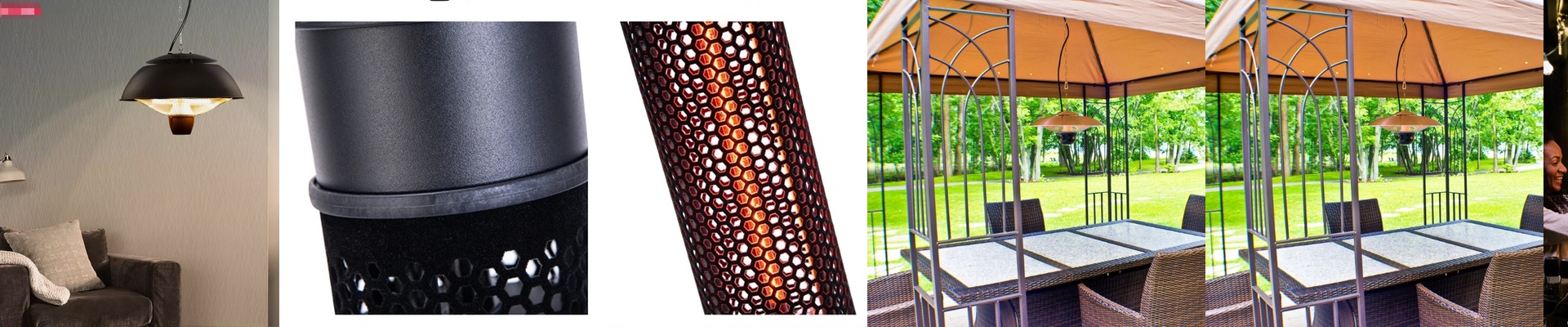

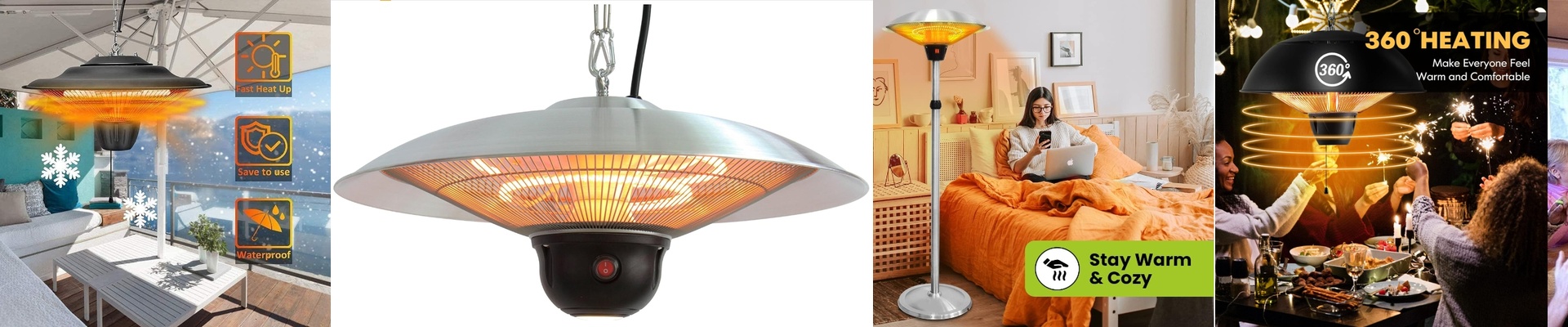
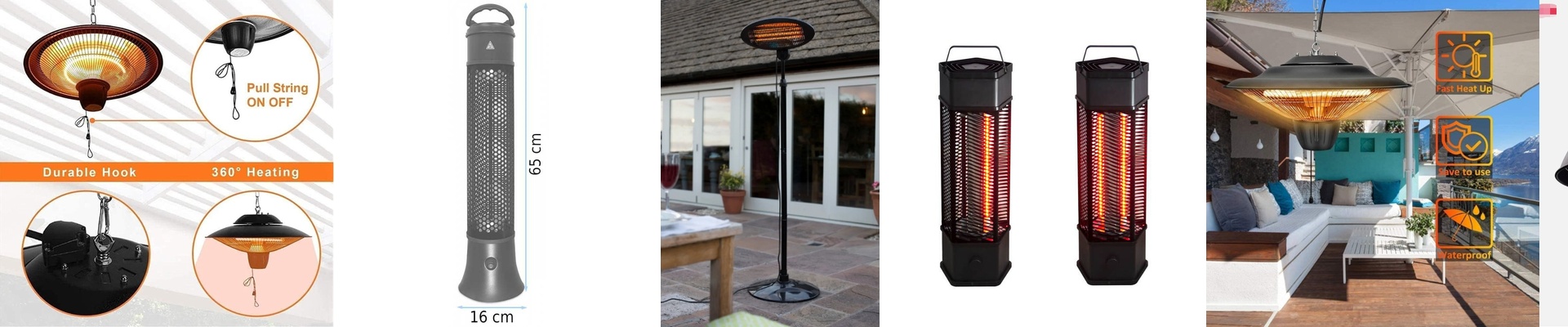
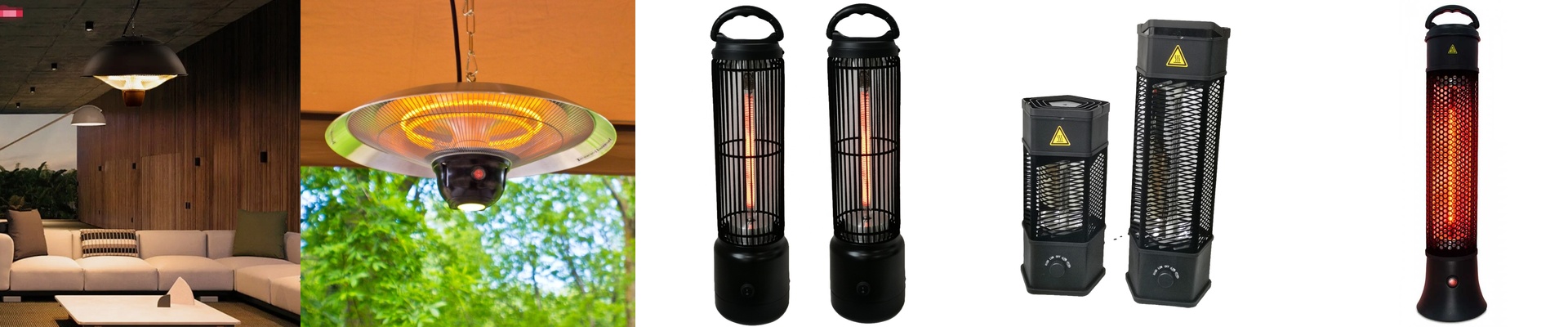
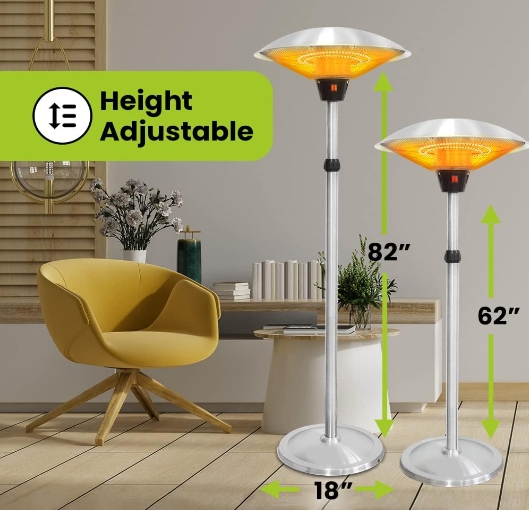
When the nursery settles and the temperature drops, you want warmth that feels steady—not a sudden blast of hot air that kicks up drafts and dries everything out. Traditional convection heaters can make a room feel restless. Infrared warmth is different. It heats people and surfaces first, leaving the air alone. But not every infrared heater gives you that calm, even feel. The difference comes down to the reflector and how it shapes the beam. What matters, technically We build this baby room infrared heater around a carbon fiber or quartz element, paired with a precision-formed reflector. The reflector’s curvature is calculated with geometric optics to map the infrared path—spreading the beam to a controlled angle while keeping intensity even across the pattern. The payoff is uniform radiant coverage: the crib, changing table, and chair get even warmth, without hot spots or cold corners. A built-in thermostat holds the target temperature, and tip-over protection shuts the unit off if it gets bumped. It runs quietly and plugs straight into a standard outlet. Why it works in a baby’s room Comfort here is about consistency. With the reflector tuned properly, the heater delivers steady infrared warmth that helps maintain a stable microclimate around the baby—fewer temperature swings that can wake a light sleeper. Because the air stays calm, humidity is easier to keep balanced, and the heat feels natural instead of forced. Energy goes where it counts: directly onto surfaces and people, not into heating the whole volume of air. Things to keep in mind Position the unit so the beam covers the primary activity zone, and keep clear clearance around it. This is an electric heater intended for indoor use. The exterior surfaces do get warm, so keep it out of reach. For best results, match the room size to the heater’s output and use a room thermometer to fine-tune the setting.