

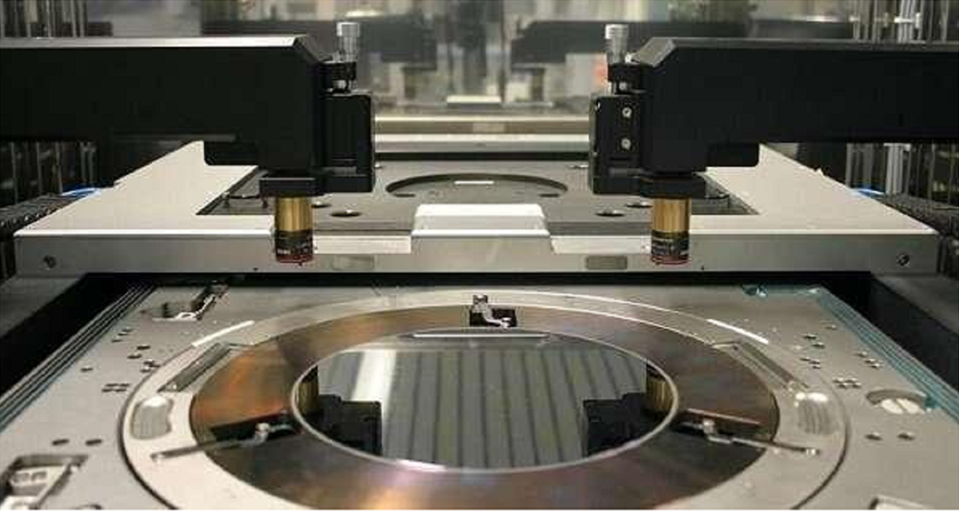
Out on the fab floor, die attach adhesive curing is where thermal budget and yield collide. A 2°C drift is enough to shift bondline strength, invite delamination, and scrap devices that passed every step before. You need heat that lands exactly where the process card calls for it, cycle after cycle. What actually matters We built the curing platform around repeatable temperature control, with wafer-level uniformity of ±0.1°C across the bond zone. The heater is short-wave infrared—fast, contactless—so ramp profiles execute with minimal overshoot. Cleanroom Class 1–100 compatibility is baked in: low-outgassing materials, sealed chambers, and an internal recirculating filter keep particle counts flat. Zero particle generation isn’t a slogan; it’s what we measure in qualification runs. The system aligns with international semiconductor equipment standards, delivering thermal performance and interface protocols equivalent to mainstream platforms. Here’s why it works in practice. Die attach needs cures that are fast and stable, without stressing the die or substrate. We run precise soak profiles for epoxy and polyimide adhesives, then snap back to idle quickly. Takt time drops without giving up adhesion or void control. Energy use falls because the heater cycles on demand and holds setpoint cleanly, and unplanned downtime drops because uptime, spares, and maintenance were front-of-mind in the design. Upstream photoresist bake steps feel the benefit, too: the same thermal discipline keeps soft bake and hard bake repeatable, holding linewidths and residuals in spec. A few practical notes before you spec it in. The platform integrates cleanly into existing fab tool flows, but it needs utilities matched to the heater rating and cleanroom pressure differentials. Confirm voltage and coolant specs up front, and budget a short alignment window for the wafer stage and exhaust coupling. Plan on tuning the initial recipe for each adhesive family. Once the profile is locked, the process settles into a predictable 24/7 cadence with stable results.