

How to Handle IR Heating Around Volatile Chemicals
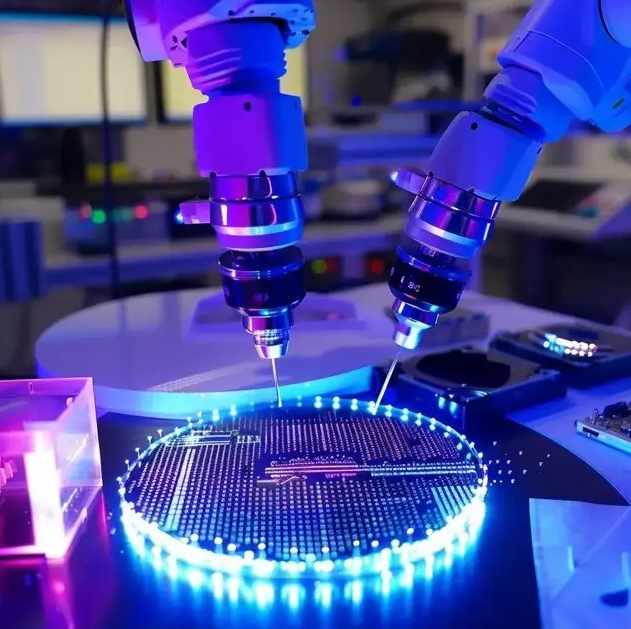
If you’re running a semiconductor cleaning line, you know the drill. You’re working with solvents that basically want to catch fire if you even look at them wrong. Now, imagine dropping a high-temp infrared lamp right into that mix. It’s a recipe for a very bad day. The trick isn’t to change the lamp itself. It’s about how you wrap it. The Barrier Most IR lamps just leave the quartz tube and the electrical terminals hanging out in the open. In a room full of volatile fumes, one tiny spark at a connection point or a small leak in a tank can turn into a flash fire in seconds. We don’t do that. Instead, we tuck the whole thing into a sealed, explosion-proof housing. Think of it as a protective bubble. We use corrosion-resistant alloys or a specific kind of tempered glass. The infrared waves slide right through to do their job, but the dangerous chemical vapors? They can’t get anywhere near the hot filaments. Keeping Things Cool Sealing the lamp is only half the battle. You also have to worry about the heat. High-wattage lamps get incredibly hot. If the housing isn’t built right, the enclosure itself becomes the thing that starts the fire. To stop that from happening, we build thermal sensors directly into the mounting bracket. It’s a simple fail-safe. The moment the housing hits a certain temperature, the controller throttles the power. It keeps your solvents safe and stops your lamps from burning out prematurely. The Trade-offs Here’s the honest part: adding a protective layer means you lose a little bit of heat. Some of that energy gets soaked up by the housing before it ever hits your target. It’s not a dealbreaker, but you have to account for it. You might need to bump up the wattage or move the lamp a bit closer to the chemical bath. Just make sure your power supply can handle the extra load so you aren’t tripping breakers every ten minutes. If your electrical setup has the room for the safety housing, these systems slide right into your existing open-lamp spots. No need to rebuild the whole line.