
Introduction
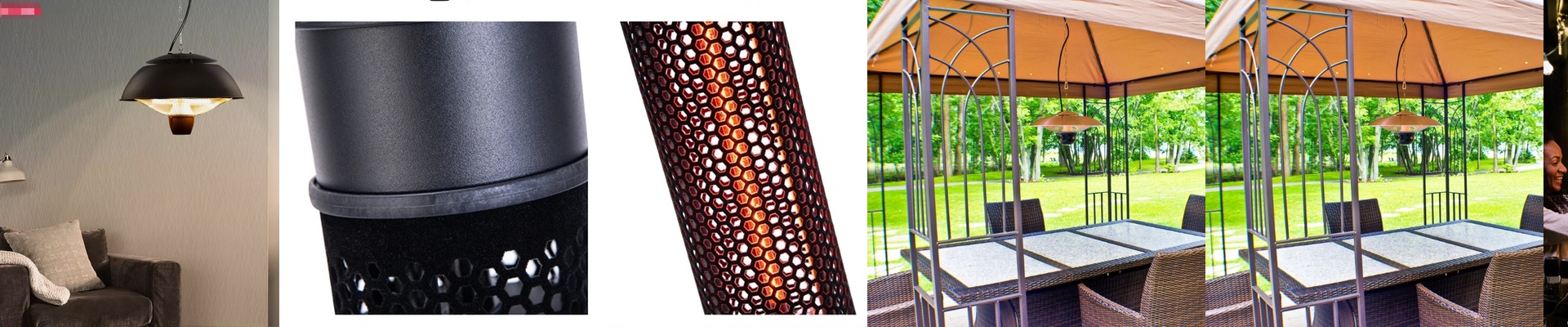
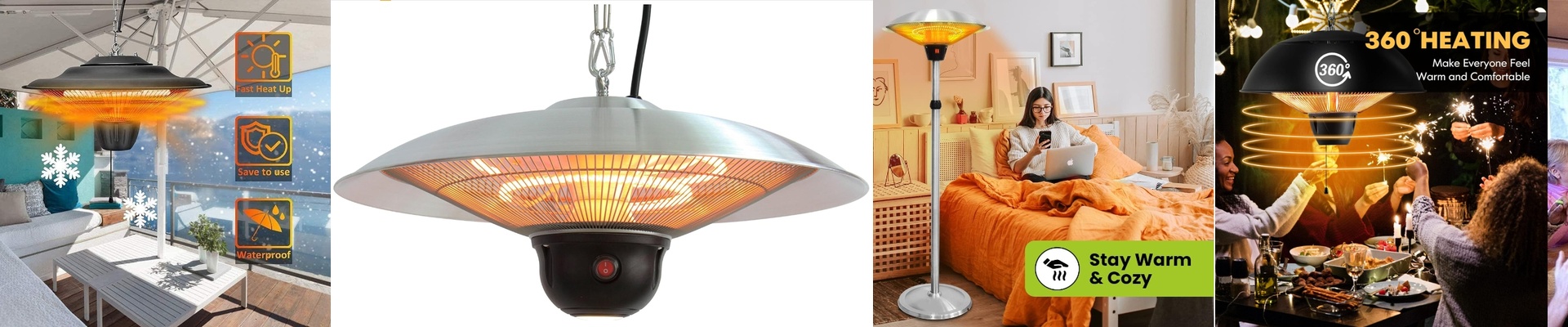
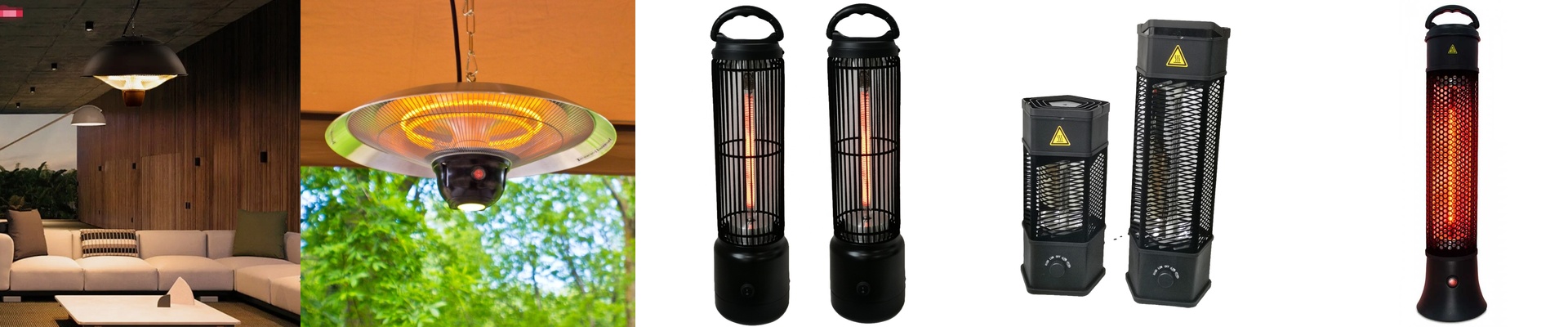
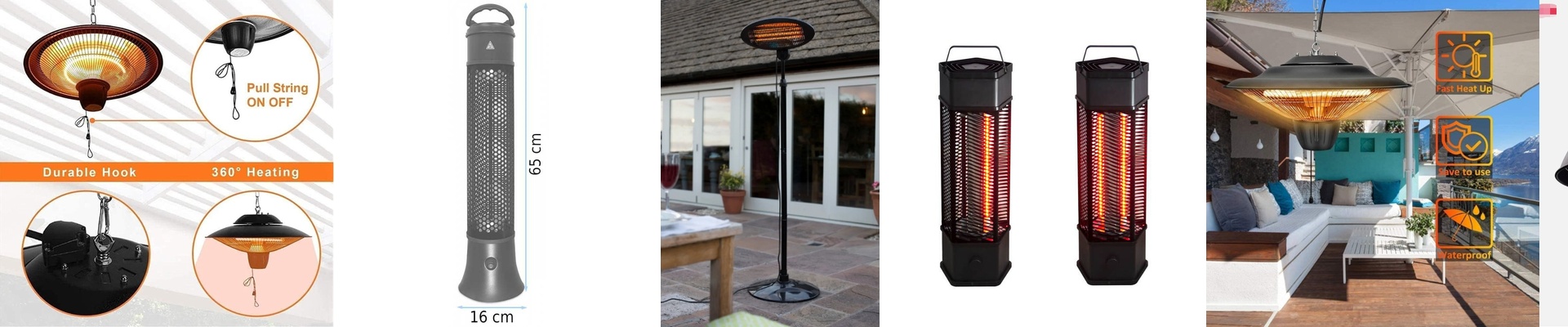
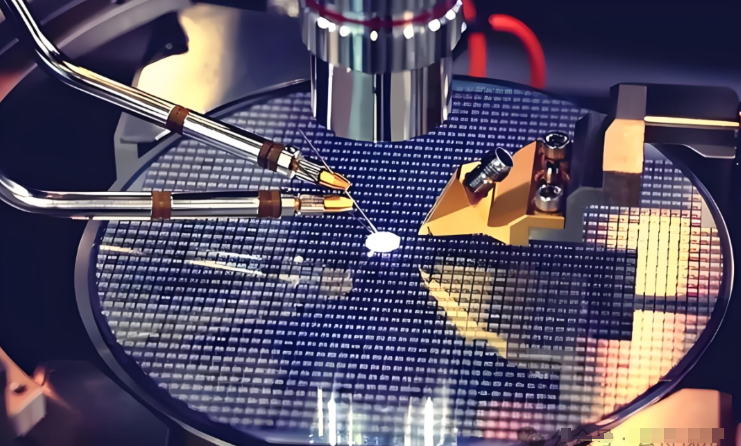
In semiconductor deep processing, everyone’s chasing the same thing: cutting cycle time without hurting yield. So we built a thermocouple specifically for semiconductor heaters to tackle that bottleneck head-on. Infrared heating hits the target with direct energy transfer—no waiting around for air to heat up. And our thermocouple closes the loop, so the process stays steady, not wobbly.
Technical Deep-Dive
Here’s the difference you can feel: infrared heating skips the thermal inertia that air systems drag around. Our thermocouples keep up with the heater’s speed, sensing in milliseconds and keeping control tight. We size the system to your tool’s thermal budget—voltage, wattage, and geometry all matched to the chamber and the substrate. The payoff is simple: ramp-up is shorter, soak time is shorter, and throughput moves faster.
Material & Design
We pair a shortwave infrared element with a quartz envelope, so it heats up fast and laughs off thermal shock. The reflector coating focuses energy exactly where it’s needed, so you don’t cook nearby components with stray heat. And the connector choice—R7s or Sk15—isn’t random. It gives you a secure, low-resistance termination that survives repeated thermal cycles without loosening or arcing. It’s a drop-in assembly, built to handle the grind of a cleanroom day after day.
Application & Benefits
When you’re doing deep processing, you need heat in the right spot—and you need proof the temperature is on target. Our thermocouple makes precise zone control possible, so scrap and rework drop off. The footprint is compact, which frees up space on the tool where you need it most. And let’s be real: high heat density demands a solid cooling path. Spec the heat exchanger and airflow to match. For engineers, it means fewer temperature surprises, cycle times you can count on, and a process that repeats the same way—from development all the way to production.