
How We Spec a Heater for a Class 100 Cleanroom
When we’re talking about heaters for a Class 100 cleanroom, the real question isn’t just about how hot it gets. It’s about how cleanly it gets there. Our UHP quartz infrared heating lamps are built for one thing: delivering intense heat without adding even a whisper of contamination. We’re talking zero tolerance for particles, outgassing, or any chemical residue. So, how do we pull that off? It all comes down to the core choices: high voltage, high wattage, and a precise shape. We spec the lamp to run at 400V, not to make your wiring a headache, but to give you the raw power you need for fast, focused heating. Packing 2500W into a 300mm tube means you get a serious burst of heat right where you need it. You can hit that target temperature in no time, on a small, specific zone. And the short design? That keeps the footprint small, so you can slip the lamp right into compact equipment without having to redesign the whole machine.
Why the Materials and Design Matter
Let’s get into the guts of it. The body of the lamp is pure quartz. This stuff is tough—it can handle the shock of rapid on/off cycles and won’t degrade over time. More importantly, it stays inert, even when it’s glowing hot. That means no nasty, volatile compounds are bleeding into the air. Inside, we use a halogen capsule. It keeps the filament temperature steady, which gives you consistent output and a longer life than standard IR elements. And that reflective coating on the quartz? It’s a simple trick, but it works. It directs all the energy forward, so you’re not wasting heat that just warms up other parts of your machine. Even the connectors are chosen for real-world use. R7s and Sk15 ends are built to handle high heat and stay put. They expand and contract with the quartz without loosening up, which makes the lamp a perfect, drop-in replacement for what you’re already using.
Application and Real-World Trade-offs
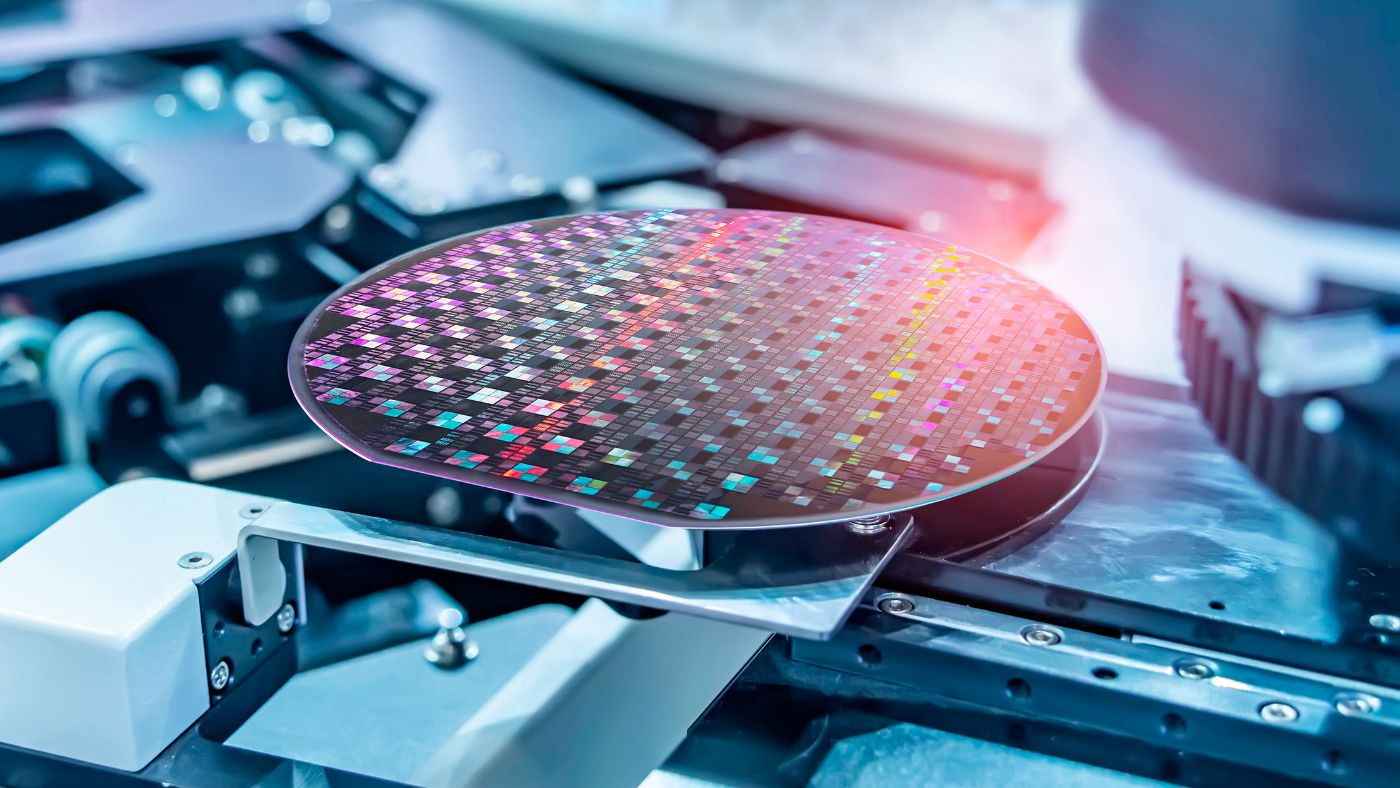
This setup is the backbone of high-cleanliness work—think semiconductor wafers, medical devices, or precision electronics. It keeps the heat focused and the contaminants out. The high power density means you get fast response and rock-solid control. But here’s the trade-off: running 2500W in a tight space generates ambient heat, so your cooling system has to be up to the task. Plan your airflow or water-cooled fixture right from the start, and the lamp will run reliably without ever putting your cleanroom at risk.