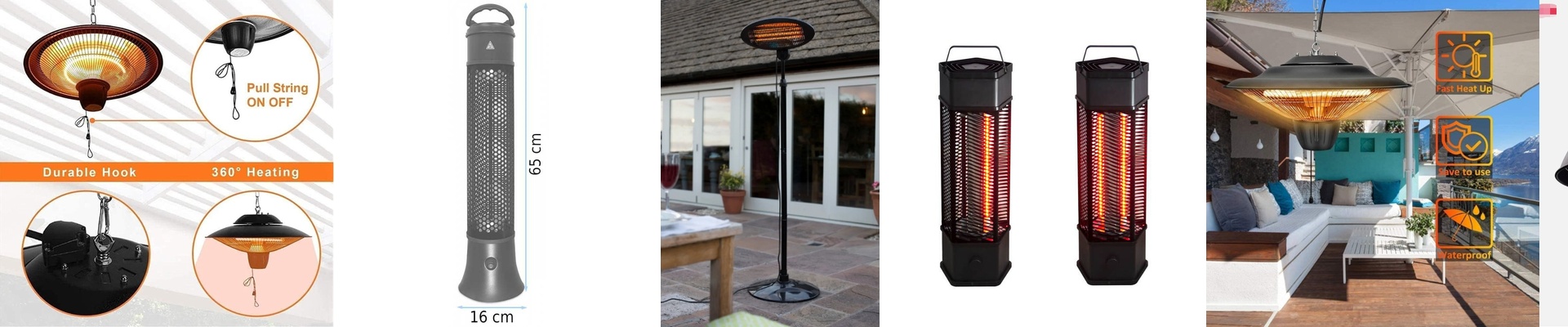
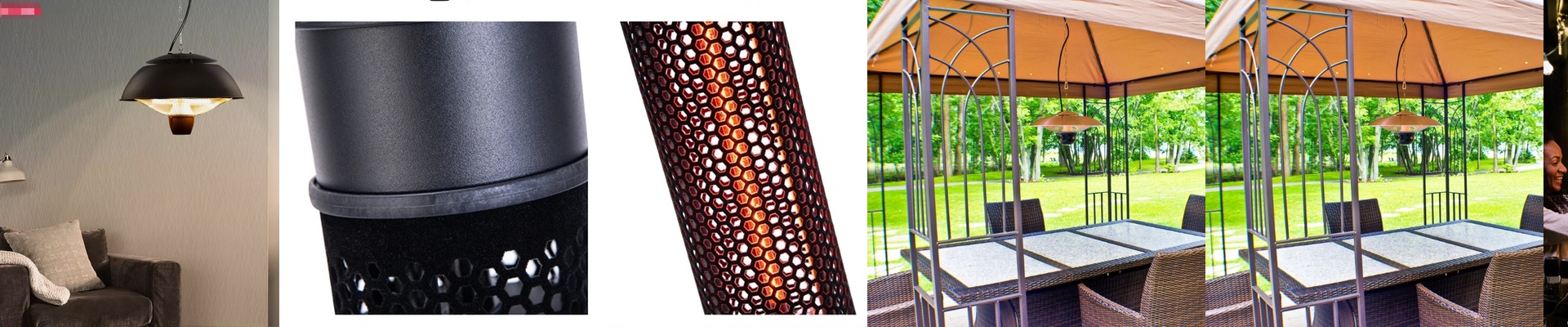
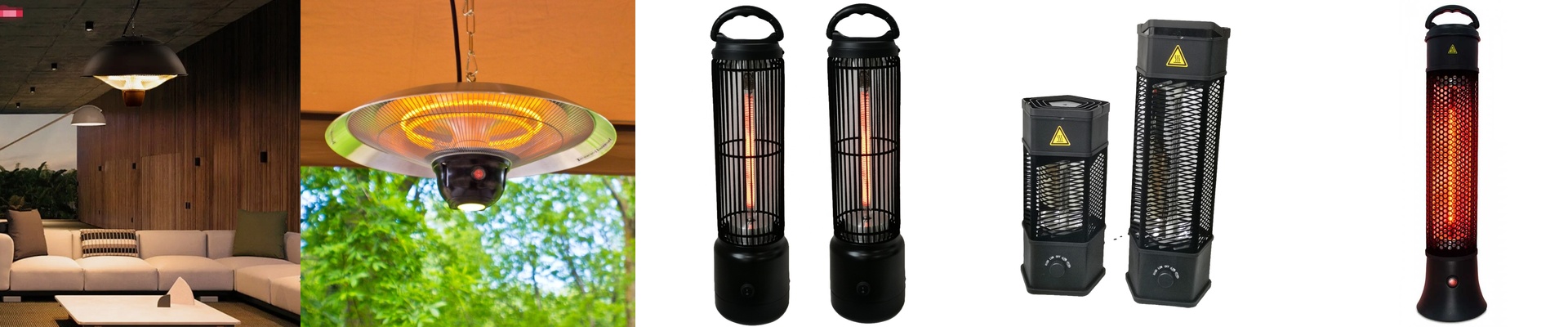
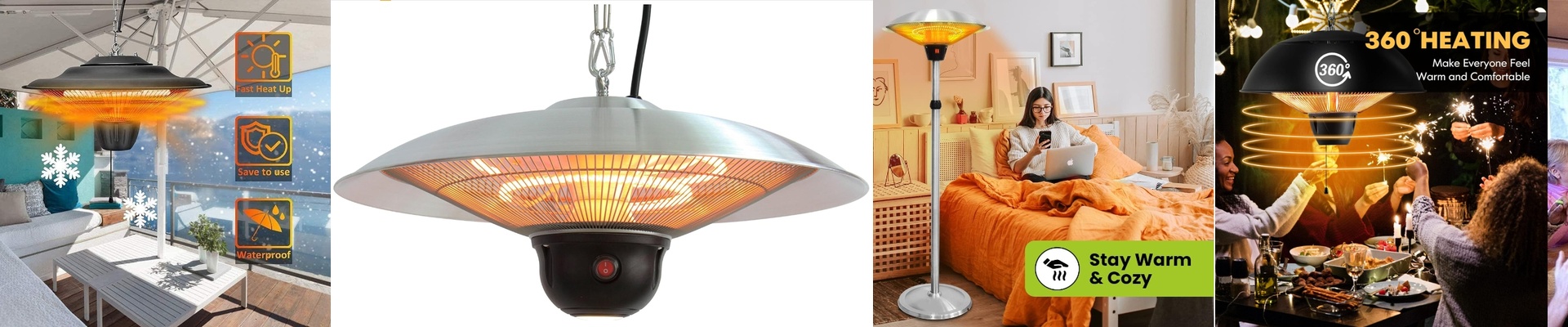


On the wet end of the lithography cell, a rinse that leaves watermarks or uneven heat isn’t a small hiccup. It’s a particle trap and a dimensional error waiting to happen. You need heat that comes on fast, dries clean, and repeats the same way—without dumping moisture or particles back into the stream. What matters under the hood We built the waterproof infrared lamp for the rinse step as a short-wave infrared (SWIR) source: quartz envelope, halogen filament, quick response, stable output. Pick a wavelength band that water absorbs efficiently, and you get fast film heating with surface drying that doesn’t cook the substrate. Hold thermal uniformity across the target zone at ±0.1°C, and keep temperature repeatability tight so the photoresist thermal budget stays inside spec. The lamp head is IP67, with sealed feedthroughs and a corrosion-resistant housing, so it keeps taking the hits from wet exposure and aggressive cleaners. It’s compatible with Class 1–100 cleanrooms, and the design runs with zero particle generation during operation. Why this fits the process In wafer cleaning and drying, the rinse-and-dry cycle has to finish with a dry, contamination-free surface. The IR lamp dries in place, so cycle time drops and DI water use goes down. Fast ramp and tight setpoint control protect photoresist integrity after the rinse, keeping soft bake and hard bake profiles consistent lot to lot. The waterproof build removes the headache of leak-induced downtime, and the stable output keeps you up and running 24/7 with minimal recalibration. What you need to get right Installation comes down to alignment and standoff distance. The irradiance profile is tight, so spacing has to be set to avoid hot spots while still covering the full area. The lamp runs hot on the surface, so thermal isolation and interlock wiring are mandatory. Match wavelength and power density to the rinse chemistry and the wafer stack, and you’ll get the result you want.