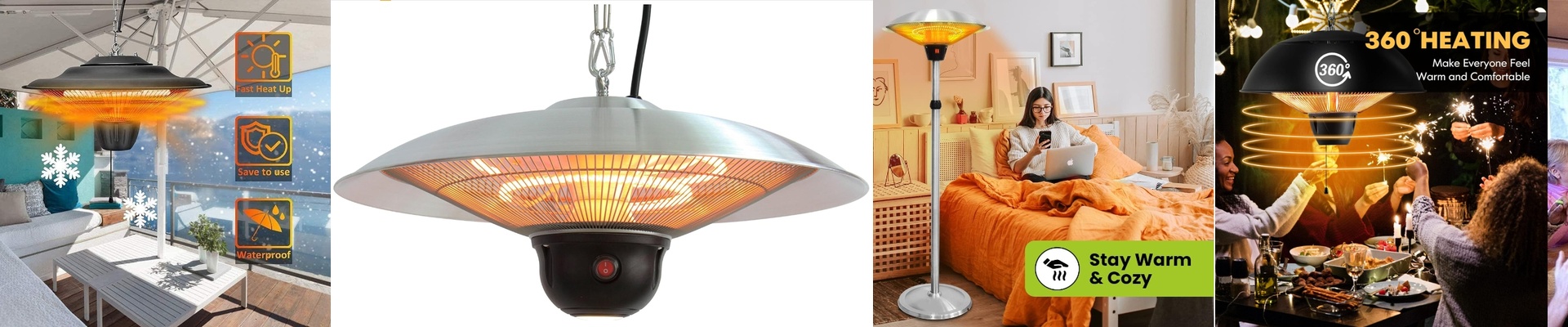
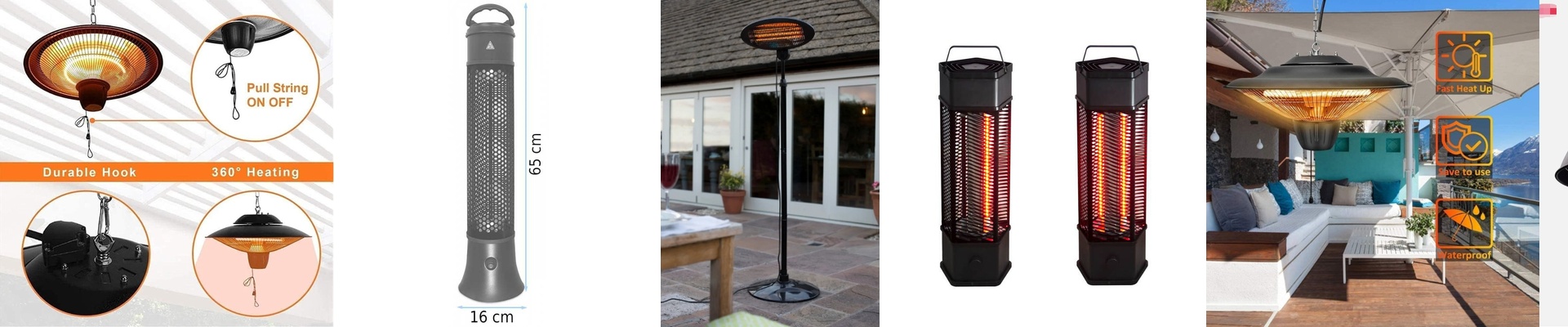

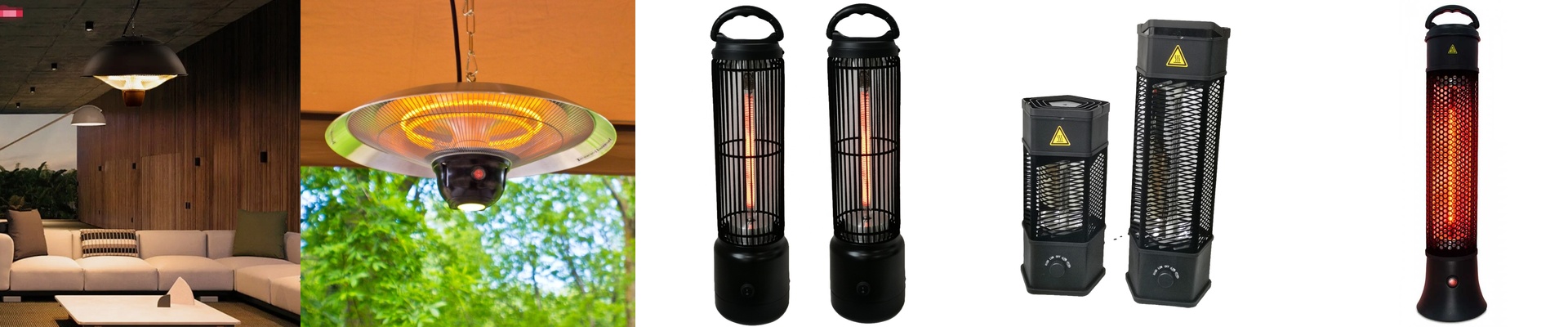

Step outside on a cool evening and you know the drill: the wait for heat kills the mood. With an infrared heater, the warmth hits the moment you flip the switch—no lag, just immediate comfort. That “spring breeze” feeling? It’s radiant energy traveling at light speed, warming people and objects directly instead of the air.
What matters, technically
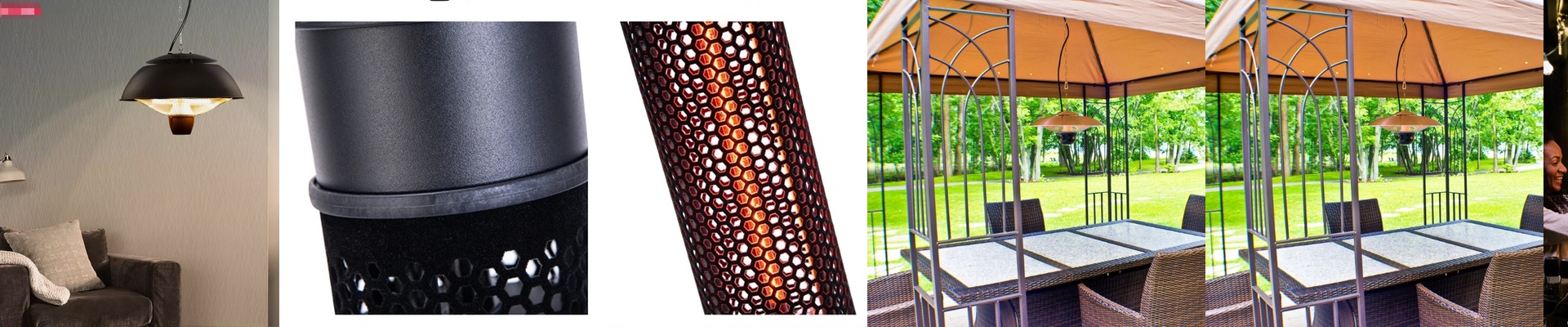
Infrared heaters turn electricity into radiant heat via a quality emitter—usually a quartz tube or a carbon fiber element. The design concentrates energy in the near-to-medium infrared spectrum, which your body reads as gentle, deep warmth. In practice, you get fast surface heating that feels natural, without airflow that dries skin or kicks up dust. We build in tip-over protection because outdoor setups are rarely perfectly level—wind, foot traffic, and shifting furniture can tip a unit. A proper tip-over switch cuts power the instant the heater tilts beyond its stable angle, then lets you reset easily once it’s upright again. For steady outdoor use, pick a model rated for outdoor conditions with the right IP rating and a stable, wide base that stands up to accidental bumps.
Why it works out here
Outdoor comfort comes down to speed and consistency. Infrared warmth delivers both: you feel heat within seconds, and it holds steady even when the air is moving. Less fiddling with controls, fewer interruptions—whether it’s a quiet evening or you’re hosting friends. Because the heat targets people and surfaces directly, you can stay comfortable without overheating the surrounding air, which can help keep energy use in check.
The practical details
Infrared heaters are straightforward to set up—plug in, position, and go—but placement matters. Keep the unit on a firm, level surface and respect the specified clearances for safe operation. For the best coverage, angle the heater to bathe seating areas evenly, and avoid pointing it straight at glass or sensitive materials for long stretches. If you’re running it in wet conditions, confirm the IP rating matches your exposure, and always follow the reset procedure after a tip-over event.