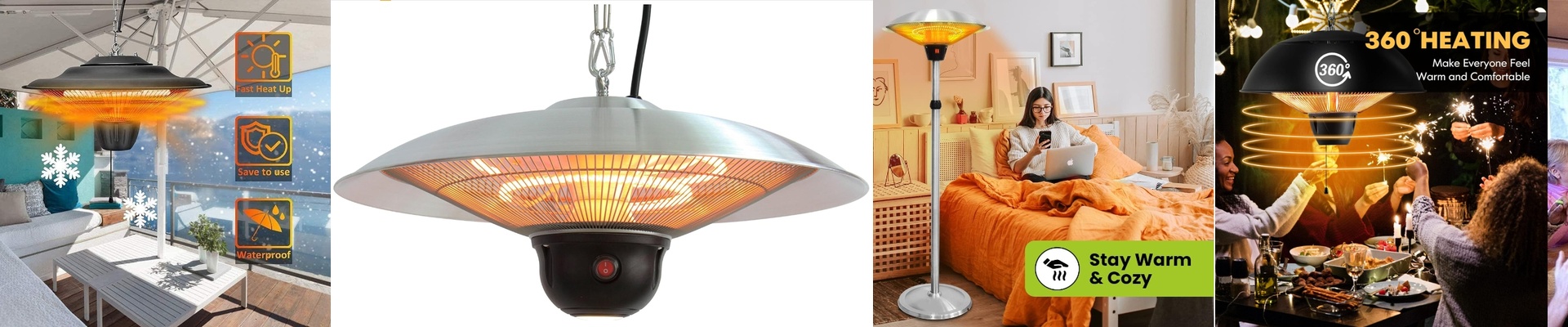

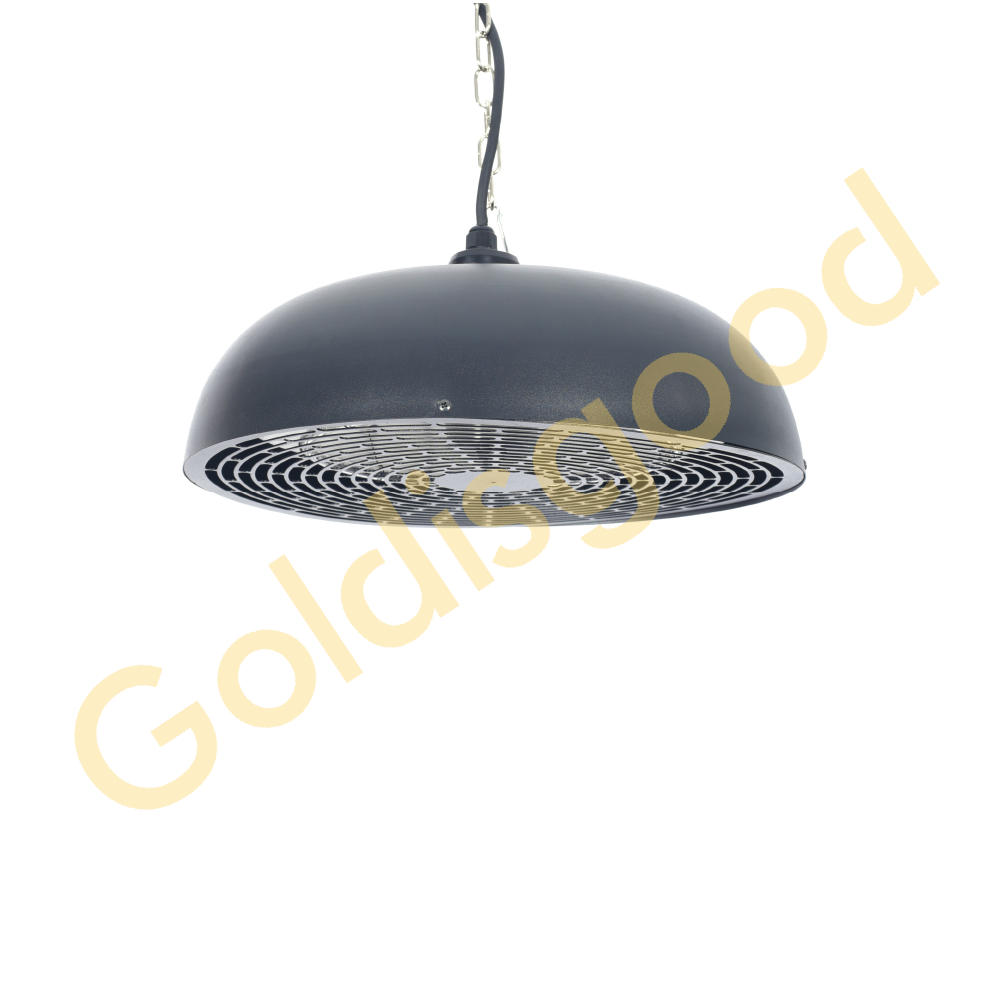
Walk into a modern restaurant and you feel it the moment you step inside—clean lines, warm lighting, a layout that keeps conversation flowing. Then you hit the practical problem: how do you keep guests comfortable without wrecking the vibe? Traditional heaters tend to look bulky, drone like a box fan, and throw away energy heating air that just drifts off.
What actually matters, technically
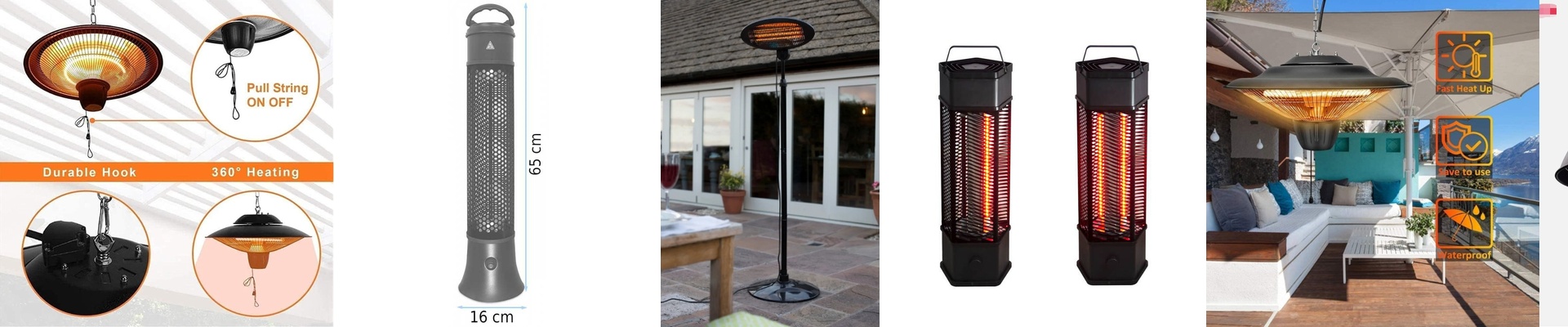
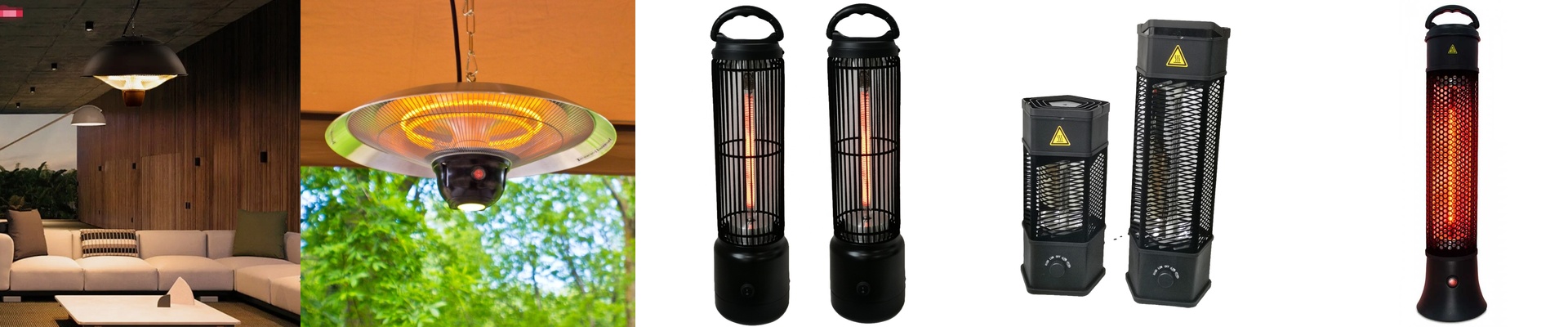
We built this infrared restaurant heater around radiant heat, not forced air. A high-efficiency quartz element delivers warmth that travels outward at the speed of light, hitting people and surfaces directly. In practice, guests feel cozy within seconds of sitting down, even with high ceilings or drafty entries. And it runs quietly—no fan noise competing with the playlist or the room. It draws 1500W on standard 120V, so it plugs into typical restaurant circuits without special wiring.
Why it fits the space
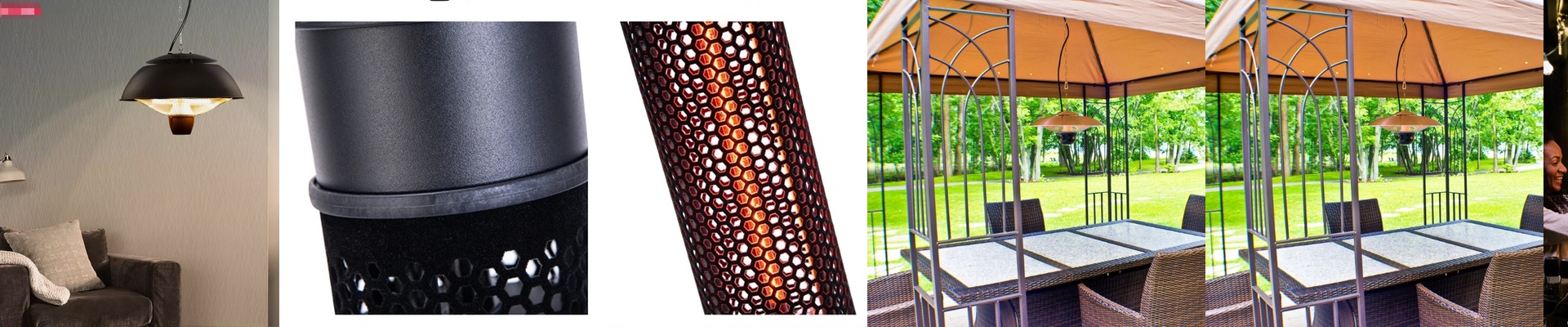
This unit was meant to stay in the background. The slim profile and matte finish sit naturally in modern, light-luxury interiors, and the footprint is small enough not to dominate the room. Because the warmth is directional, you place it where it does the most good—near seating, by the door, under open beams—without roasting the whole space. That focus keeps energy use down and comfort steady. Guests stick around longer, staff aren’t shivering by the doorway, and the room stays visually calm.
The realities you should plan for
Here’s the thing with infrared warmth: it needs line of sight. Partitions or heavy furniture can create cooler pockets, so map coverage around unobstructed paths. The heater warms objects and people directly, not the air, so it won’t feel as effective in a wide-open, windy area. For indoor restaurant use, pair it with a thermostat or position it to support your existing HVAC, and you’ll get comfort without the hot-and-cold swings you get from air-based systems.