
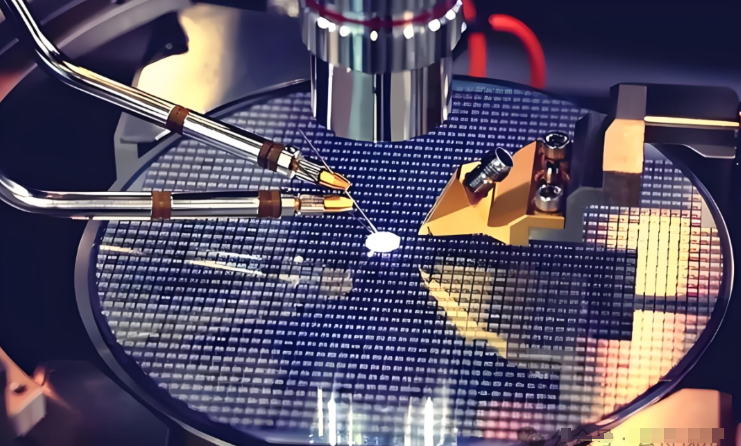
On the lithography floor, yield comes down to degrees. A 2°C drift in soft bake will wreck CD control, and a non-uniform cure? That’s how you get line-edge roughness. So we built a carbon nanotube fabrication heater to take the thermal guesswork out of wafer drying, photoresist pre-bake, and hard bake. What matters under the hood The heater leans on carbon nanotube elements to deliver fast, stable infrared energy, and it holds wafer-level uniformity within ±0.1°C. Response is sub-second, so you don’t overshoot temperature—thin films stay protected and the thermal budget stays tight. It’s cleanroom-ready across Class 1–100, generates zero particles during operation, and has racked up 24/7 reliability in production cells. Output stays flat over 5,000+ hours with less than 5% drop, so repeatability holds across lots. Here’s what that looks like on the line. Soft bake gives you consistent photoresist profiles. Hard bake cure becomes repeatable. Wafers come out dry and pass inspection without rework. Tight thermal control cuts warm-up wait time, trims scrap, and saves energy because heat is targeted where it’s needed. You get faster cycle times without giving up CD stability, and you stop swapping heaters so often—this carbon nanotube system takes thermal cycling without degrading. A few practical notes before you roll it in. You need to match the tool’s voltage and connector interface, and optical alignment matters to keep irradiance uniform across the wafer. The heater performs best when the chamber is sealed; ambient drafts can stir up small temperature ripples. Plan a short commissioning run to dial in ramp rates and setpoint hold for your specific photoresist stack.