
Technical Deep-Dive: Power, Voltage, and Footprint
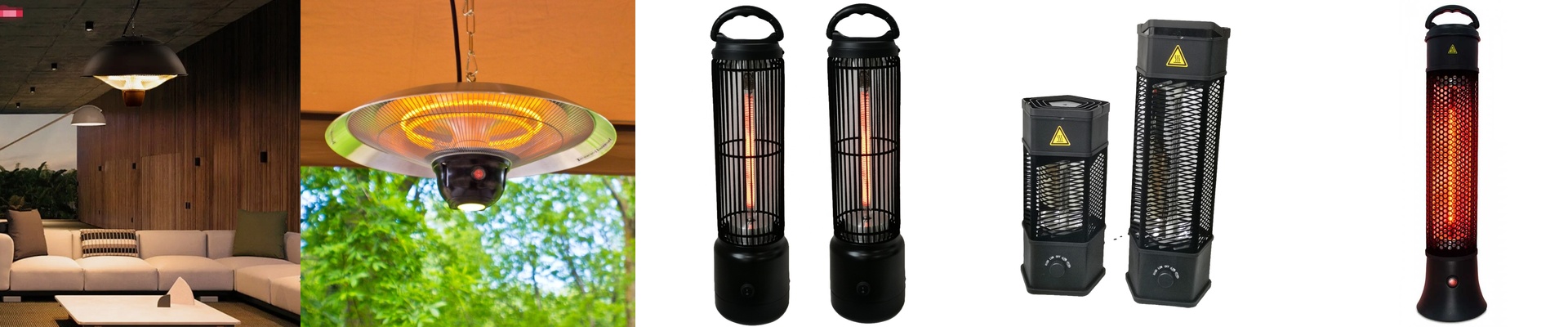
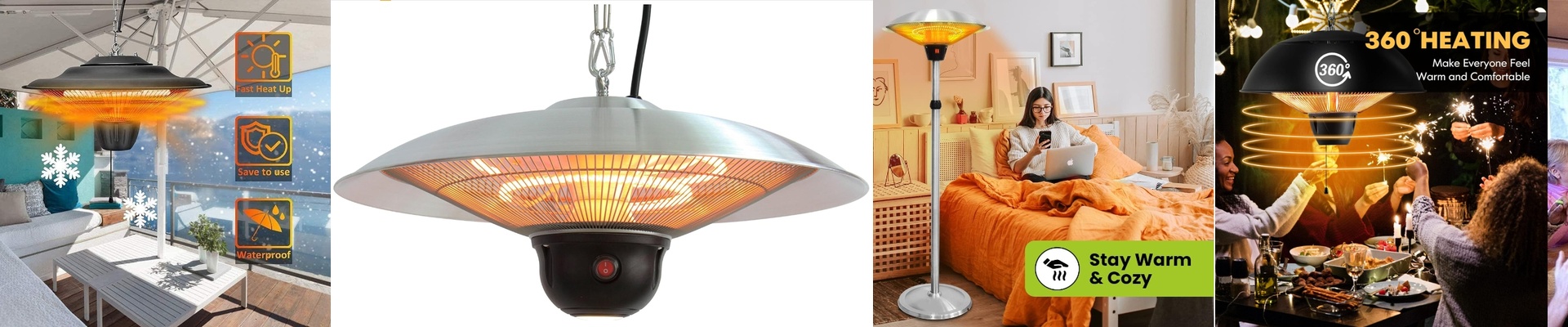
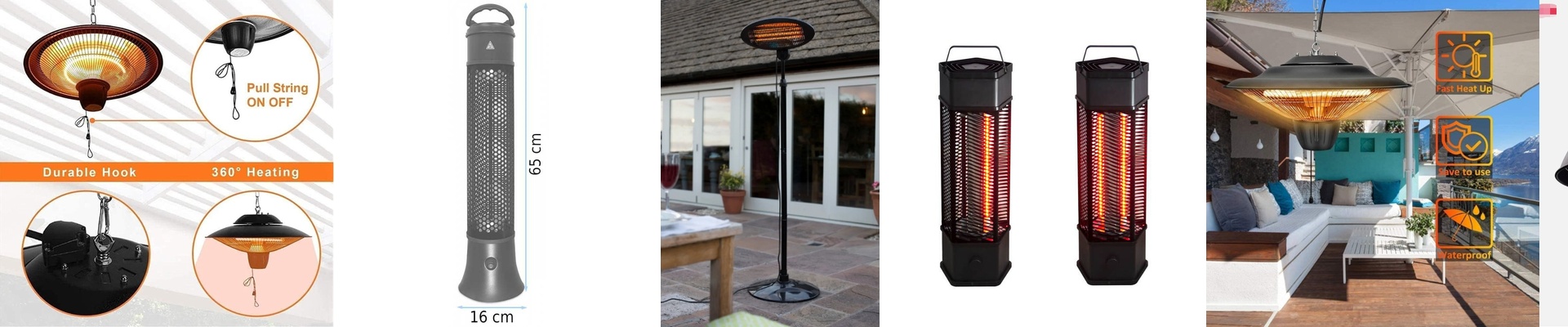
When we’re sizing up a waterproof heater for a pergola, we’re not just throwing together a lamp. We’re building a proper thermal system. The real heart of it is simple: matching the power to the space. Here’s the rule of thumb. A 1500W infrared heater will keep you warm in a space of about 10 to 15 square meters. Step up to a 2500W unit, and you’re comfortably covering 20 to 25 square meters. It’s a clean, direct relationship, so you can pick the right heater without overcomplicating the wiring. We design these to run on standard mains voltage—220-240V—so they just plug right into your existing setup. The whole unit is surprisingly compact, with the tube itself often being just 300mm long. But that small size packs a punch. It’s all about delivering a high watt-density output, so the heat actually penetrates the space, instead of just warming the air right around the heater.
Material & Design: Halogen, Quartz, and Connectors
Inside, the heating element is a quartz tube, filled with halogen gas. Quartz is the hero here because it handles the shock of turning on and off quickly, way better than regular glass. The halogen gas protects the filament, which means the whole thing lasts longer. And the tube is sealed up tight to an IP65 rating. It’s fully waterproof against rain and even a direct spray. For an outdoor pergola, that’s not just a spec, it’s a must-have. Then there are the connectors, built to take a beating. For the high-wattage models, we use R7s base connectors. They make sure the connection is secure, even with all that high current and the constant heating and cooling. No risk of it loosening up or sparking. For the smaller models, you’ll find a standard screw-base fitting. Either way, they’re designed to be swapped out on the spot in minutes, with no tools needed.
Application & Benefits: Maximizing Efficiency
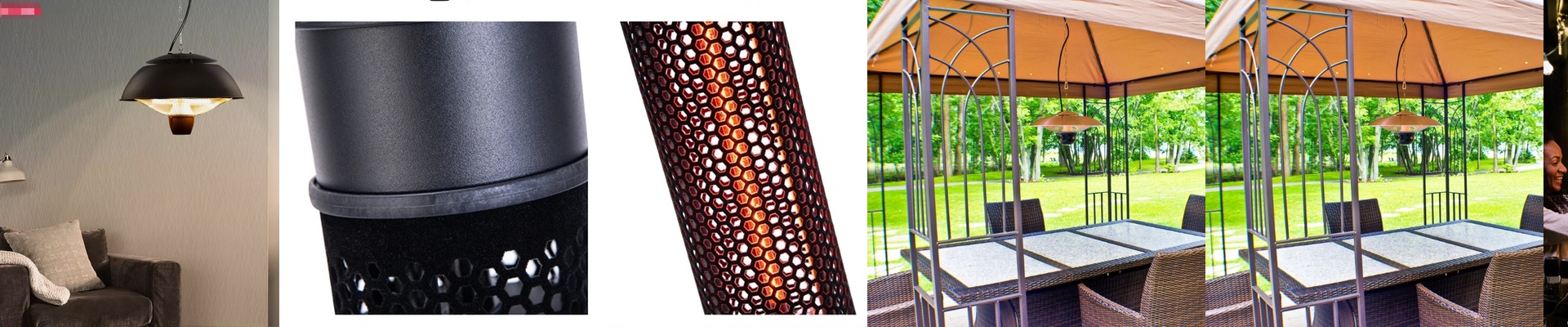
The whole point isn’t just to make heat, but to make the most of your energy. Infrared heaters shine because they radiate warmth directly onto people and furniture, not the air. So you don’t get that energy loss you see with convection heaters, where all that warm air just rises and floats away. Under a pergola, that means the warmth lands exactly where you need it, not lost up in the empty sky above. Of course, that kind of focused, high-density heat comes with its own considerations. A 2500W unit, for example, puts out a lot of localized heat. So you have to make sure whatever you’re mounting it to, and the materials around it, can handle the temperature. And you need to be certain your electrical circuit is properly sized for the continuous load. But when you get it right, these heaters deliver focused warmth with a surprisingly small operational footprint, which keeps your running costs down.