

Why You Should Stop Using Old-School Bathroom Heaters
Ever notice how those old “light-bulb” heaters in bathrooms always seem to die right when you need them? It’s usually because steam and moisture sneak inside the housing. Once that happens, you get a short circuit or the filament just gives up. It’s frustrating. That’s why we’ve been moving toward IP65-rated infrared elements. Now, “IP65” sounds like a serial number, but all it really means is that the unit is tight enough to keep out dust and can handle water jets without breaking a sweat. In a steamy shower, that’s the difference between a heater that lasts a couple of years and one that lasts a decade.
The “Instant Heat” Secret
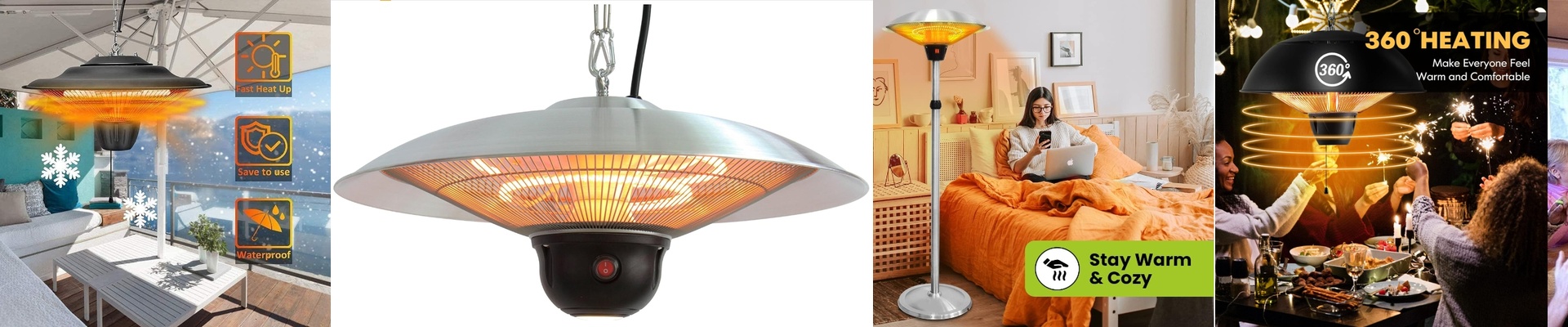
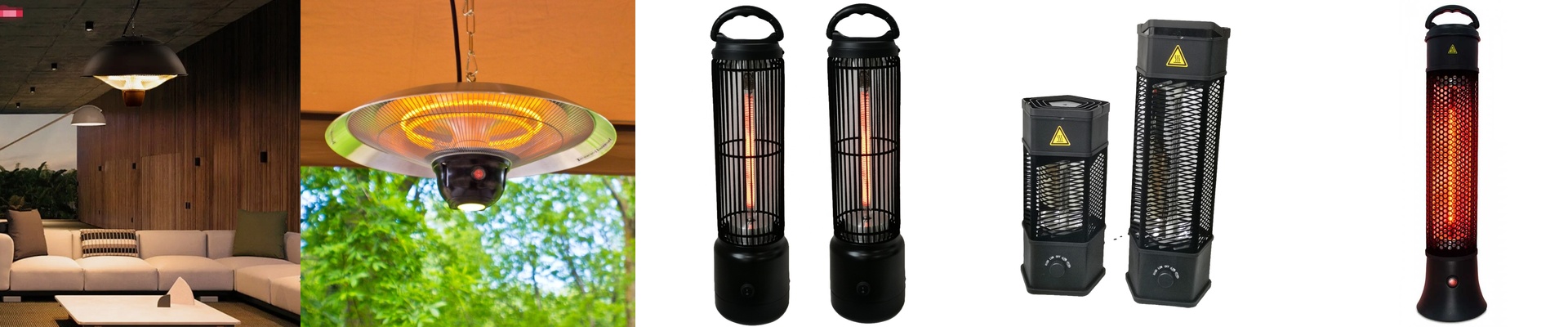
Most heaters try to warm up the air. The problem is, air is terrible at holding onto heat. You end up standing there shivering while the heater struggles to warm the whole room. Infrared is different. It sends out waves that hit your skin and the walls directly. You feel the warmththe second you flip the switch. To make this work, we use a tungsten filament inside a quartz envelope. We build these to handle the “thermal shock”—basically, going from freezing cold to 600°C in a heartbeat without the glass cracking.
Dealing with the Damp
Getting a unit to be water-resistant isn’t just about sealing the box. The real battle is at the connection points. Most cheap fixtures fail at the socket where water creeps in and causes “arcing”—those nasty little sparks you don’t want in a bathroom. We use sealed gaskets and terminals that won’t rust. Plus, we stick with high-purity quartz tubes. Why? Because they don’t get that gross, crusty buildup from hard water vapor that usually ruins cheaper tubes.
A Few Things to Keep in Mind
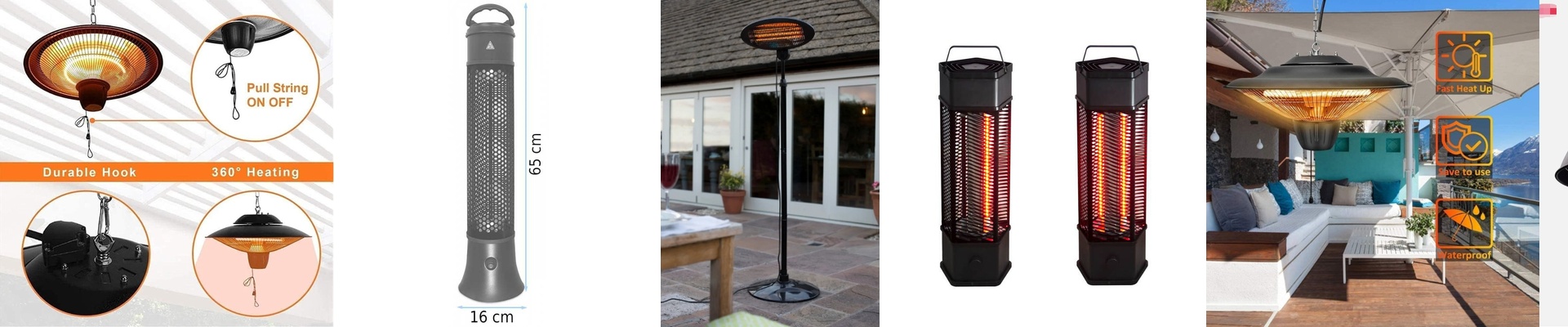
These things pack a lot of heat into a tiny space. It’s great for saving room, but you have to be careful about what’s around them. If you mount an infrared element too close to cheap plastic trim, that plastic is going to warp. Pretty quickly. Just make sure your ventilation is up to the task and can handle the concentrated heat. And if you’re swapping an old one out for a new one, double-check your wattage and voltage. If they don’t match exactly, you’re probably going to trip your circuit breaker, and nobody wants to deal with that on a cold morning.