

Keeping Your Wafer Heating Totally Clean
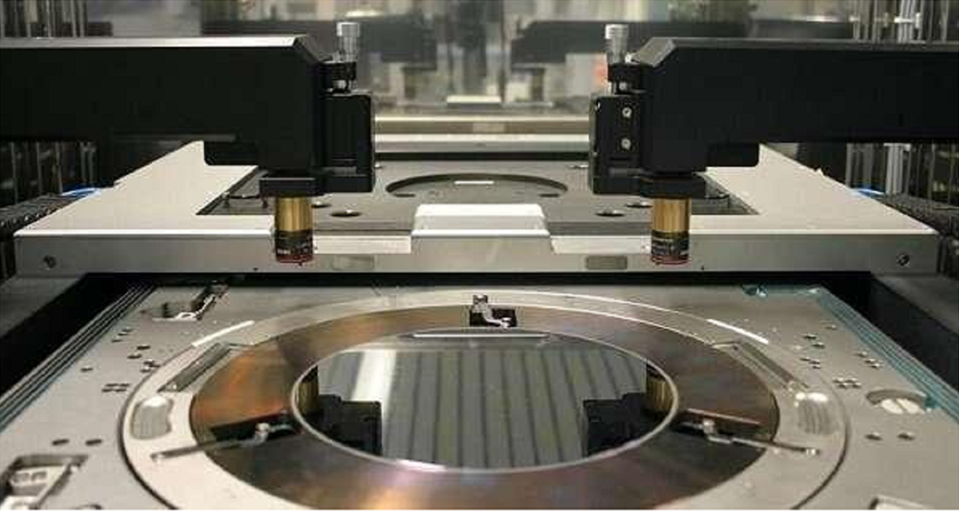
When you’re working in a Class 100 cleanroom, there is zero room for error. One tiny flake of dust or a bit of outgassing from a heating element, and your yield just tanks. It’s a nightmare. That’s why we stopped messing around with standard materials and moved to high-purity synthetic quartz for our IR lamps.
Why the quartz actually matters
Most glass just can’t hack it. It cracks under thermal shock or it’s just not pure enough for semiconductor work. We use fused quartz with low hydroxyl (OH) content. Basically, this means the lamp won’t shed microscopic silica particles while it’s heating up and cooling down. Plus, the quartz envelope creates a tight, hermetic seal. The tungsten filament stays tucked away where it belongs, far away from your process environment.
Heat where you want it (and nowhere else)
Our IR lamps focus energy into a very narrow spectral band. This is the best part: you can hit your target temperatures on the wafer surface without turning the entire tool chassis into an oven. The ramp-up is fast. Really fast. But here’s the catch—because the heat is so concentrated, you’ve got to get your cooling manifolds right. If your airflow is off, you’re looking at warped housings or fried sensors. It’s a trade-off, but it’s worth it for the speed.
No glue, no flakes, no fuss
We designed these lamps to be “drop-in” replacements. We know downtime is the enemy, so we made them easy to swap. We also ditched the adhesives and coatings. Why? Because those things eventually flake off. Instead, we stuck to mechanical seals that stay tight during vacuum or controlled-atmosphere cycles. It’s simple, mechanical, and clean.
A word of caution
Now, keep in mind that high-purity quartz is brittle. It can handle extreme heat, but it hates being shaken. If your mounting brackets aren’t dampened, the lamp can vibrate against the frame and just… snap. And once that vacuum seal is gone, the filament burns out in a heartbeat. Keep it steady, and it’ll treat you right.