



Cutting Carbon in Bio-Sensor Labs with IR Heating
Making bio-sensors usually involves a lot of waiting around for things to dry or cure. Most labs just throw everything into a giant convection oven, which is basically like heating your entire house just to warm up a single slice of pizza. It’s a massive waste of energy. We decided to stop heating the air and start heating the part. By switching to targeted infrared (IR) lamps, we can shrink the carbon footprint of the cleanroom without sacrificing quality.
Getting the Heat Right
When you’re working with bio-sensors, you can’t just blast them with heat or you’ll scorch the substrate. You need a specific wavelength to get those chemical bonds to snap into place. We went with shortwave IR lamps. Why? Because they dig deeper into the material and work way faster than medium-wave options. We’re talking about cutting “ramp-up” times from several minutes down to a few seconds. It’s fast. Really fast. And it means you don’t have to keep a massive oven idling at high temps all day.
The Nitty-Gritty Hardware
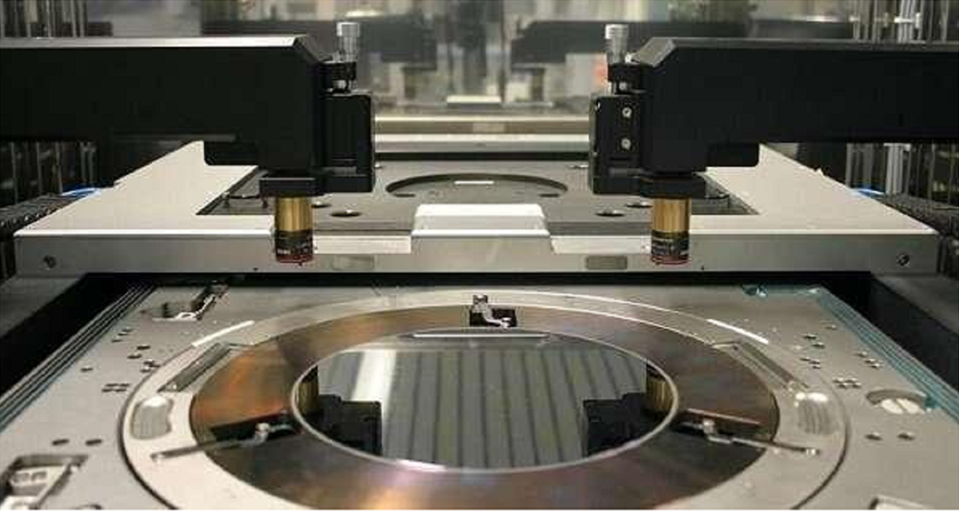
We use high-purity quartz envelopes for the lamps. In a semiconductor environment, outgassing is a nightmare, so this is a non-negotiable for us. To keep the equipment from taking up half the room, we use high-density filaments. They pack a punch, delivering concentrated heat exactly where it needs to go. Plus, they plug right into your existing PLC controllers, so you get response times measured in milliseconds. One thing to watch out for: this stuff getshot. Since the energy is so concentrated, you’ll need some active cooling or a solid heat sink on your chassis. Otherwise, the surrounding electronics might start to drift, and that’s a headache nobody wants.
What This Actually Does for the Planet
At the end of the day, it comes down to the power bill and the planet. When you stop heating the air and focus only on the wafer, your kilowatt-hour (kWh) draw per unit drops significantly. It also takes a huge load off the building’s HVAC system, since you aren’t pumping massive amounts of waste heat into the room. For the engineers who are actually trying to hit carbon neutrality goals, this is a simple swap that gets rid of the clunky inefficiency of old-school heating.