

Stop the Bathroom Mold Struggle (Without the Chemicals)
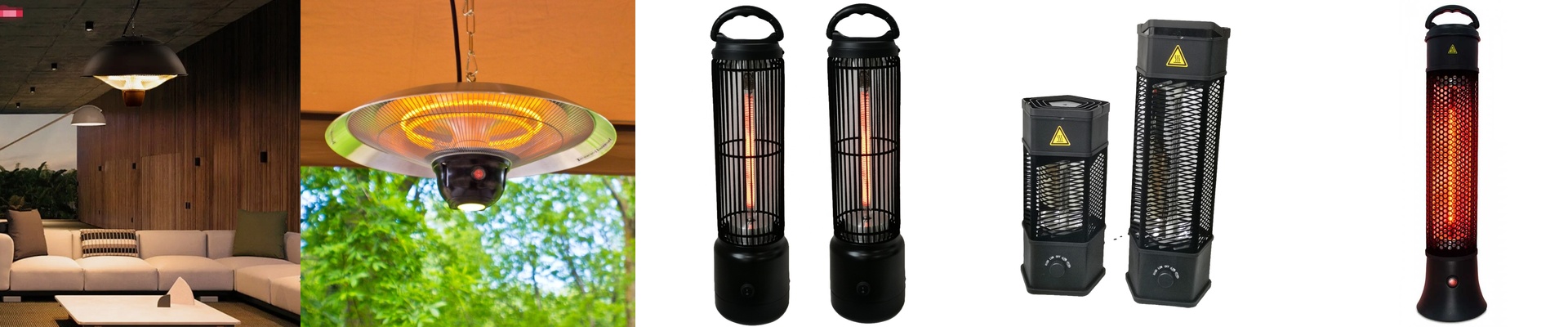
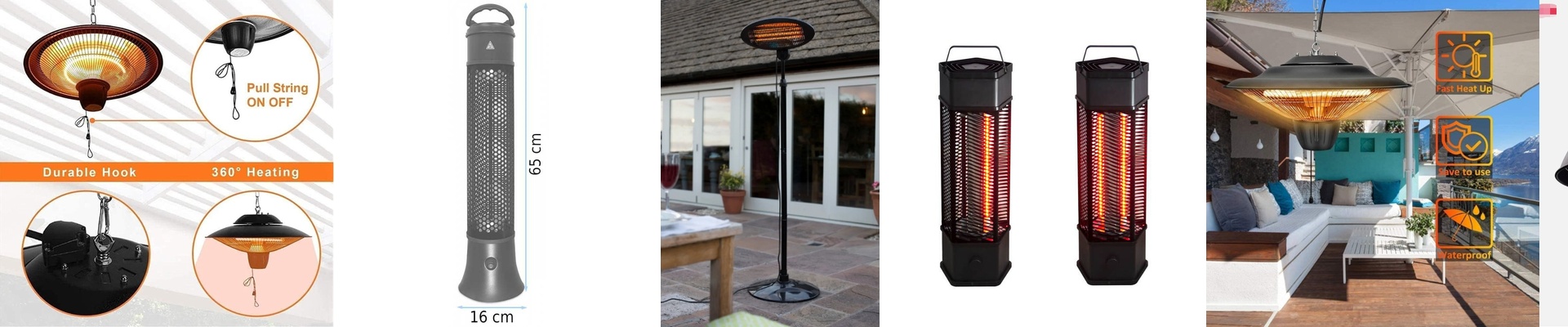
Most of us look at those infrared lamps in the ceiling and just think, “Oh, a heater.” But if you peek under the hood, they’re actually doing something way cooler than just warming up the air.
How it actually handles moisture
Here’s the thing about regular heaters: they warm the air, but that often just pushes steam against cold walls, creating more condensation. It’s a cycle that never ends. We do things differently. By using short-wave infrared, we aren’t just heating the room—we’re targeting the water molecules themselves. The heat actually sinks into the grout and the paint, pulling out the hidden dampness that usually hides in your walls. **No damp walls means no happy mold.**It’s that simple.
The nitty-gritty (and the trade-offs)
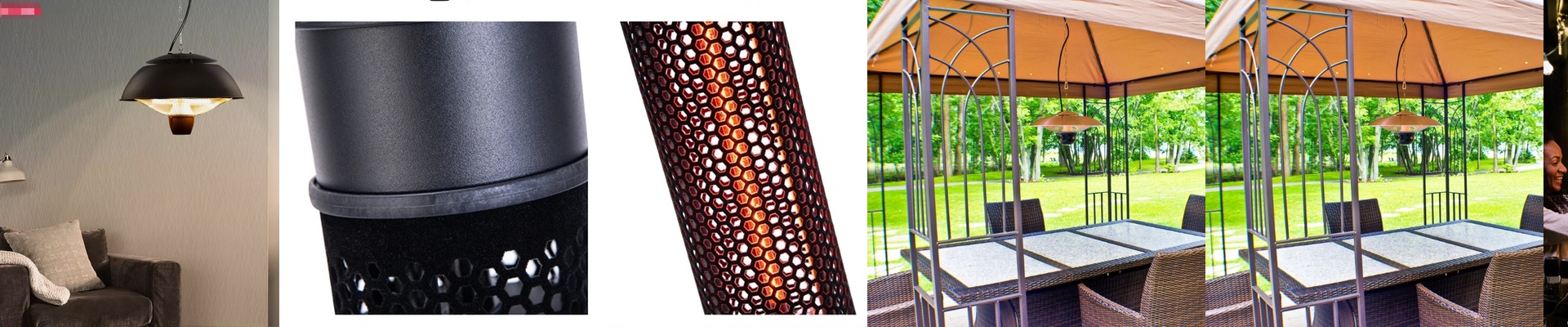
Since nobody spends eight hours a day in the bathroom, you need heat now. That’s why we use high-power quartz elements. They hit their peak temperature in seconds. No waiting around for a bulky oil heater to wake up. But you have to be smart about it. If you put a massive lamp in a tiny room, you’re just asking for the housing to overheat. My advice? Pair the lamp with a humidity sensor or a simple timer. It keeps the element from running constantly, which means the bulb lasts way longer.
Getting it set up
The best part is that these just slide right into your existing light fixtures. We’ve added moisture-resistant seals to the terminals, so you don’t have to worry about steam messing with the electrics. One quick warning, though: these lamps gethot. If a cold drop of shower water hits that glowing quartz glass, it can crack. Keep them away from the direct spray of the shower. Do that, and you’ll have a bone-dry bathroom without having to scrub the walls with bleach every other weekend.