



Cutting Carbon in Semi-Conductor Heat Processes with Vacuum IR
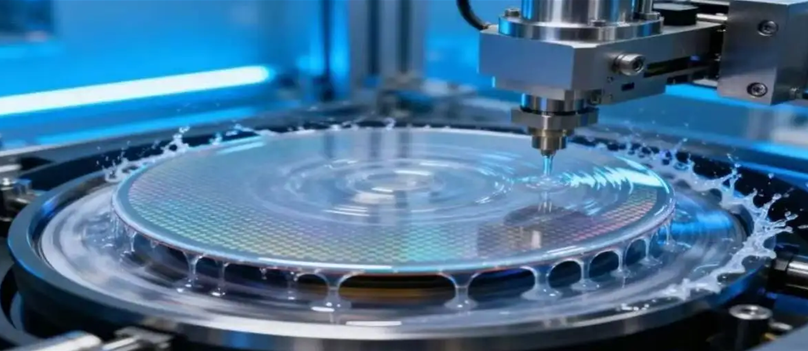
Making semiconductors is all about precision, but doing it in a high-vacuum environment is a nightmare for energy. Most shops still lean on resistive heating, which is basically like trying to heat a single pea by warming up the entire pot. It’s slow, it wastes a ton of power, and it drives your carbon footprint through the roof. We do things differently. We use vacuum-compatible IR lamps to hit the wafer or substrate directly. No wasted energy. No fluff.
How the Physics Actually Works
When you’re in a vacuum, you can’t rely on air to move heat around. You’re left with radiation. Here’s the trick: we tune these IR systems to specific wavelengths that the target material actually wants to absorb. Instead of spending hours heating up the walls of your vacuum chamber, you’re putting the energy exactly where it needs to go.The workpiece. It’s a simple shift, but it drops your kilowatt-hours per wafer significantly.
Building a Factory That Doesn’t Kill the Planet
If you’re trying to build a “Green Factory,” you have to look at thermal mass. Heavy heating elements take forever to warm up and even longer to cool down. They’re clunky. IR lamps, on the other hand, have almost no thermal inertia. You flip a switch and you’re at your target temperature in seconds. That means no more endless “soak times.” Your machines run for fewer hours to get the same amount of work done. It’s just efficient. But we didn’t just stop at speed. Vacuum cycling is brutal on equipment. Outgassing is a constant headache that can ruin a batch of wafers in an instant. To stop that, we use high-purity quartz and specialized seals. It keeps the chamber clean, which means less scrap and way less wasted material.
The Honest Truth About Trade-offs
Look, no piece of gear is a magic fix. IR lamps are incredible for slashing energy during the heating phase, but they create some intense, localized heat. If your cooling jacket isn’t up to the task, that reflected radiation will chew through your vacuum seals or fry your sensors. You can’t just crank the wattage and hope for the best. You have to balance the lamp’s power with how well your system can breathe and dissipate heat. Otherwise, you’re just trading an energy bill for a repair bill.