

Cutting Carbon in Semi-Fab: Why Vacuum IR Actually Works
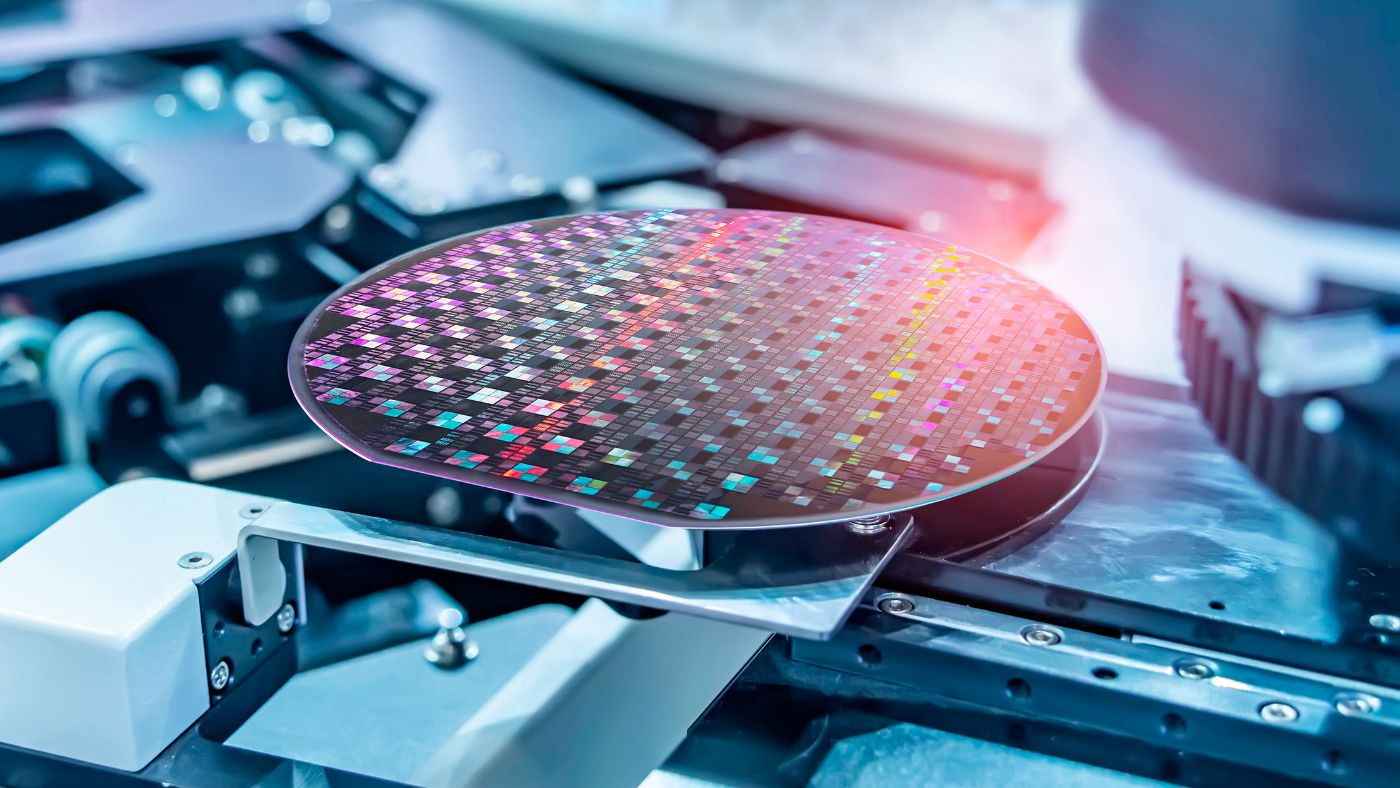
Let’s talk about thermal budgets. In semiconductor fab, they’re everything. But if you’re still using traditional resistive heating, you’re basically paying to heat up the entire chamber just to get a single wafer to the right temperature. It’s a massive waste of energy, and it’s a huge reason why factory carbon footprints are so high. We’ve found a better way: vacuum-compatible infrared (IR) heaters. Instead of warming the whole room, we aim the heat right at the wafer.
The logic behind the heat
When you’re working in a vacuum, you don’t have convection to help you out. It’s just radiation and conduction. We use short-wave radiation lamps that punch right through to the substrate without stopping to warm up the chamber walls. It’s a much cleaner process. Because the energy goes exactly where it’s needed, the ramp-up time drops significantly. Faster cycles. Less electricity. Simple as that.
Not your average lightbulb
Now, you can’t just throw some off-the-shelf bulbs in there. That’s a recipe for disaster. We use high-purity quartz envelopes because outgassing is a nightmare. One tiny leak of contaminants from a cheap heater and your wafer is trash. We also pair these with tight PID controllers so you don’t overshoot your target temperature. And a pro tip: if you crank the wattage without a solid cooling jacket for the lamp ends, those filaments will burn out way faster than they should.
The trade-off: Speed vs. Stress
The best part is getting rid of “thermal inertia.” You aren’t stuck waiting for a giant hunk of metal to heat up before you can even start. It makes the tool lean and lowers the carbon footprint immediately. But here’s the catch. You have to be careful with power density. If you push too much wattage too fast, the temperature gradient gets too steep. That’s how you end up with a warped wafer. You have to get the lamp spacing and power zones just right to keep that 300mm surface flat. It’s a balancing act between how fast you want to go and keeping the wafer structurally sound. Get it right, and you’ve got a system that’s fast, green, and reliable.