

Why Your Bathroom Heater Keeps Dying (and What to Do About It)
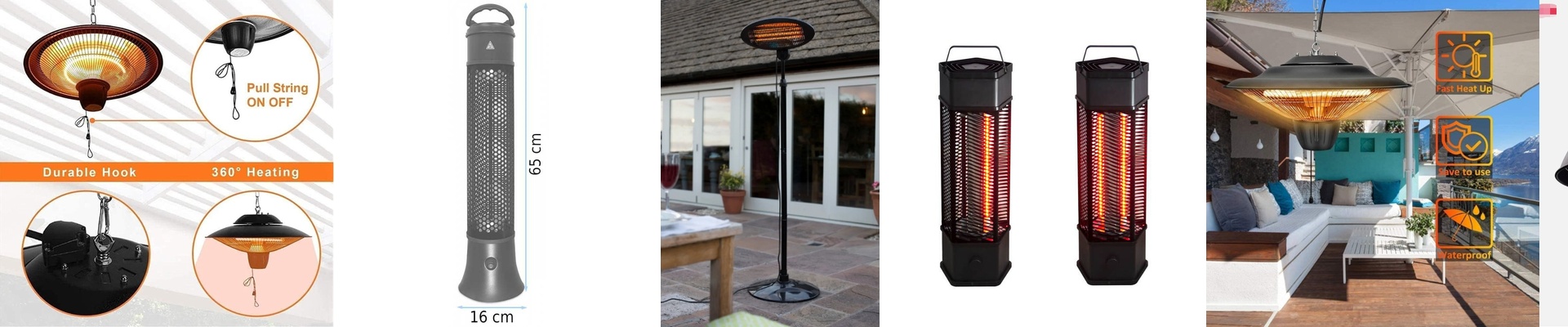
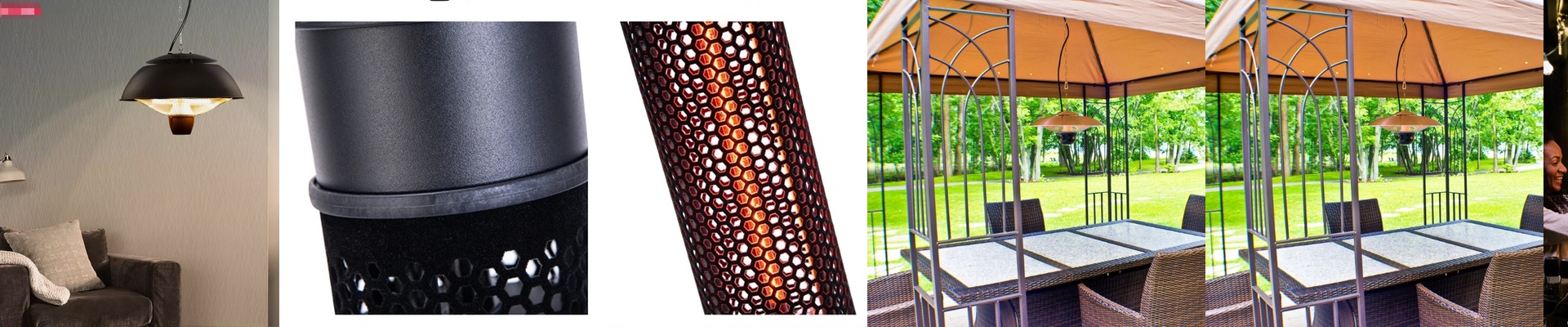
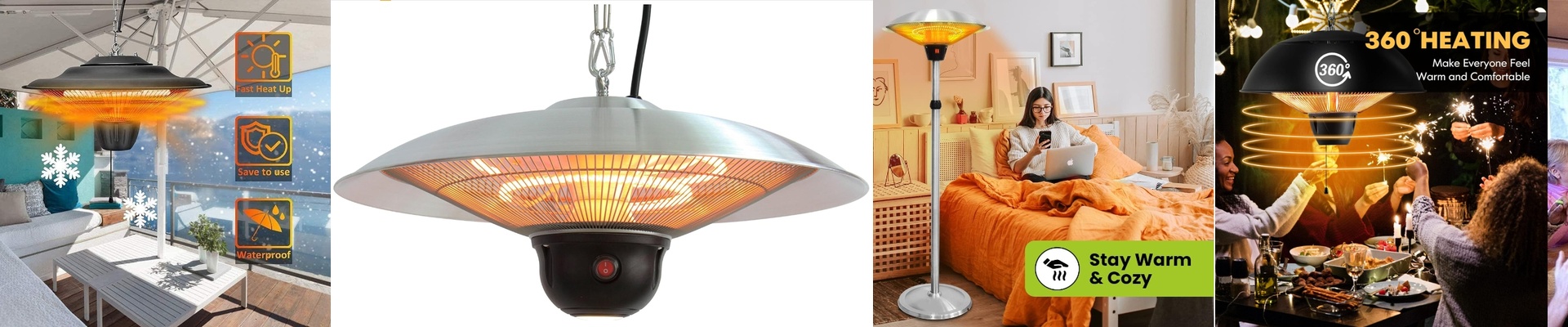
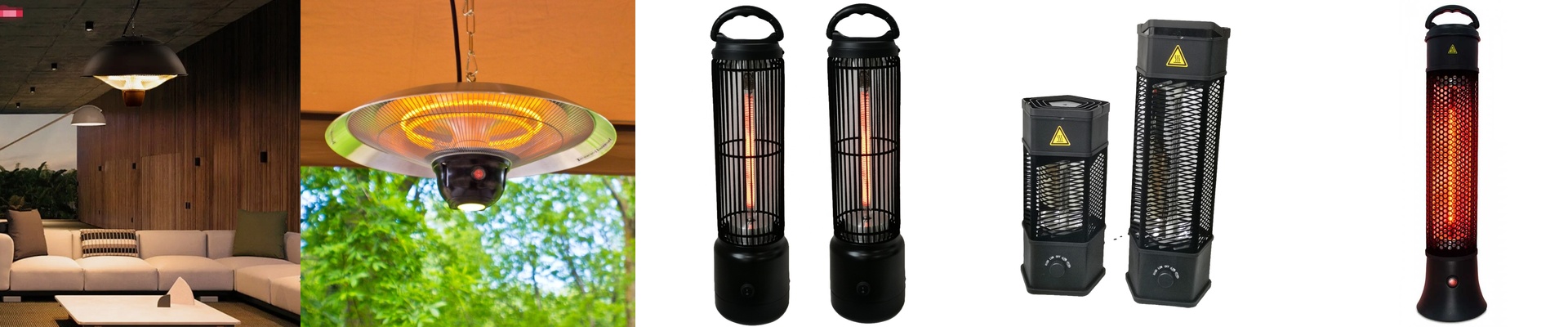
We’ve all been there. You step out of a hot shower into a freezing bathroom, flip the switch on those old-school halogen light heaters, and… nothing. Or maybe they work for a while, but then they just burn out. The problem is simple: those things aren’t built for steam. Bathrooms are brutal on electronics. Between the humidity and the occasional splash, standard heaters basically invite corrosion to move in. That’s why we’ve started moving away from them and switching to high-IP infrared heaters. The “IP” thing—why it actually matters You’ll see “IP ratings” on the box. In plain English, that just tells you how well the heater is sealed. Think of it like a waterproof watch. A high IP rating means the guts of the heater are tucked away safely from the moisture. When the electrical parts stay dry, they don’t short out. You stop that annoying cycle of buying a cheap unit only to have it die every two years. Instant heat, no waiting Here is the best part. Most heaters try to warm up the air in the room. But air is stubborn; it takes forever to heat up, and as soon as you open the door, the warmth vanishes. Infrared is different. It doesn’t mess with the air; it sends warmth directly to you. It’s like stepping into a beam of sunlight on a cold day. You feel it the second you flip the switch. No waiting around shivering in a towel. A few things to watch out for during install If you’re swapping these into an existing ceiling grid, it’s usually a pretty easy drop-in. But don’t just slap it in there. Check your clearance. These units put out a lot of heat. If you mount a powerful infrared heater too close to a cheap PVC ceiling, you might actually warp the plastic. Give it some breathing room so you don’t melt your ceiling. And yeah, the high-end, waterproof versions cost a bit more upfront. They’re heavier and have better seals. But honestly? Paying a little extra now is way better than climbing a ladder to replace a dead bulb for the third time in three years.