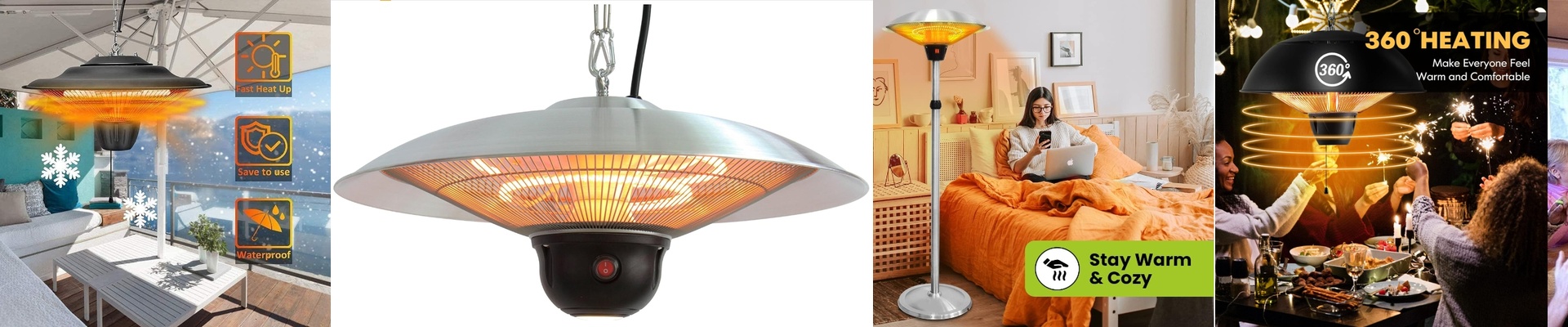
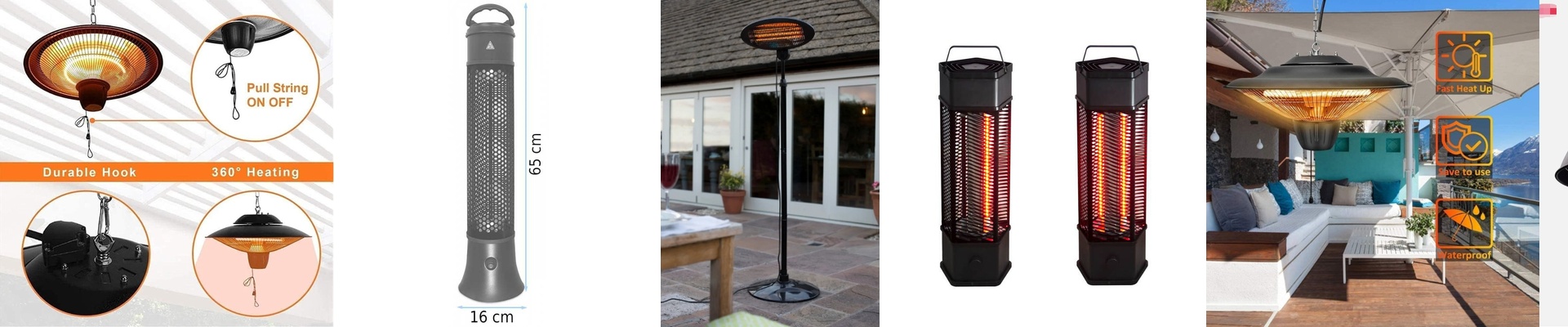
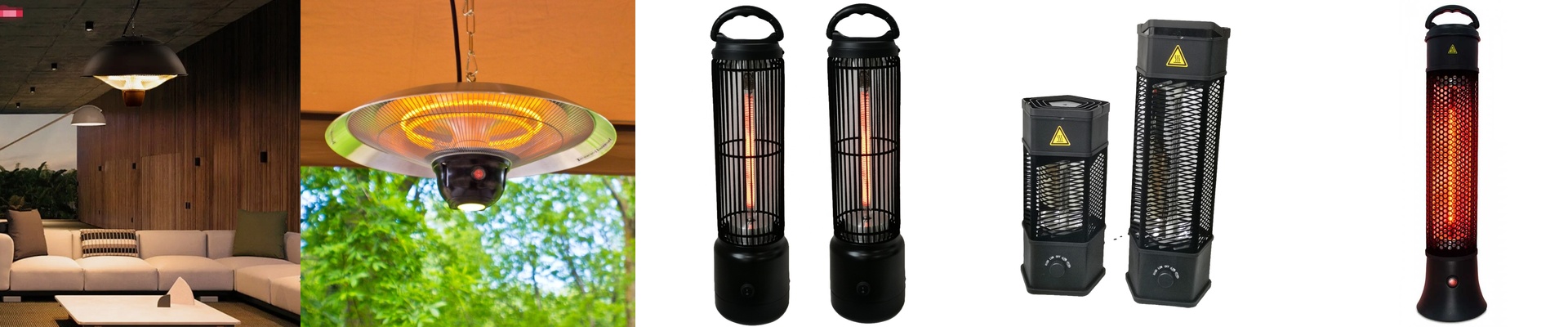

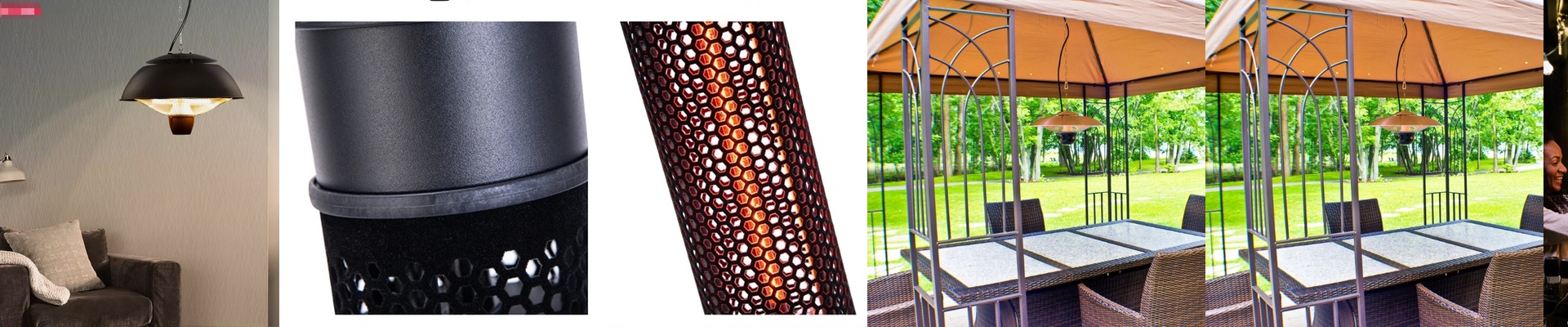
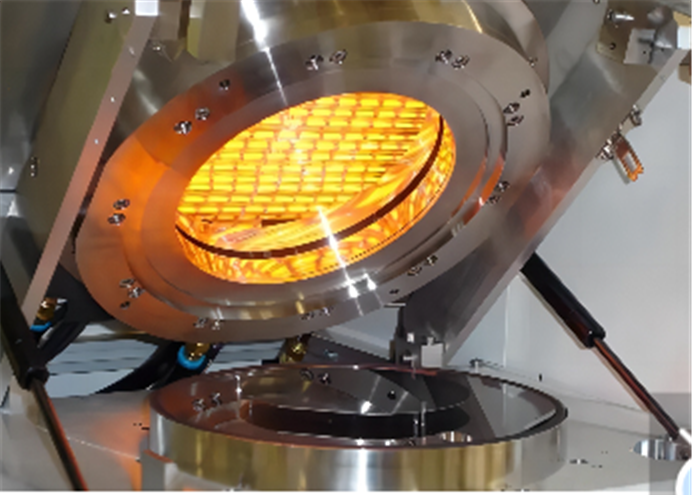
Why stop heating the air and start heating the part?
Most people are used to convection heaters. They warm up the air, and then that air warms up the part. But in a semiconductor cleanroom? That’s a recipe for a headache. When you heat the entire inside of a machine, everything gets soaked in heat. The inner walls get scorching hot. Not only is that a burn risk for whoever is working on the gear, but it also causes the chassis to expand and shift. That’s the last thing you want when you’re dealing with high-precision components.
The trick to directional heat
We do things differently. We use short-wave infrared (IR) lamps. Instead of fighting with the air, IR waves travel in straight lines. They basically ignore the air they pass through and dump all that energy directly onto the substrate. By nailing the focal point and using the right reflectors, we can aim that heat exactly where it needs to go—right on the wafer. The best part? The cabinet walls stay cool. You get the heat you need at the process point without turning your expensive machine into a giant toaster oven.
The “catch” with IR
Now, it’s not magic. There are trade-offs. High-wattage IR lamps are great for fast ramp-up times, but they are intense. If your reflectors are off by a hair or the lamp is slightly crooked, you’ll end up with “hot spots” on the frame. It’s a precision game. You have to be obsessive about the mounting brackets to make sure everything is perfectly centered.
A safer way to work
Switching to IR really shrinks the “danger zone” inside the machine. Since the walls aren’t soaking up waste heat, the outer casing stays at a temperature that won’t hurt anyone. Plus, you stop wasting electricity trying to heat the air in a climate-controlled cleanroom. It’s just a smarter way to move energy. Stop heating the room. Just heat the part.