



Why we use Infrared for Smart Fab heating
Building a Smart Fab under Industry 4.0 isn’t just about the software. You can have the smartest code in the world, but if your hardware can’t keep up, you’re stuck. Traditional convection ovens are just too slow. They hold onto heat long after you’ve turned them off, which is a nightmare when you need precision. That’s why we lean on infrared (IR) systems. They’re fast. Really fast. And that changes everything for your workflow.
Getting a grip on thermal response
In a digitized line, waiting ten minutes for a heating element to hit the right temperature is a waste of time. With IR, you’re dealing with direct radiant energy. You can ramp temperatures up or down in seconds. We hook these systems up to PID controllers and IoT sensors so the hardware actually talks back to you. You get real-time wattage and surface temps right on your screen. No more guessing if the curing or drying is actually happening. You just know.
Saving space without losing power
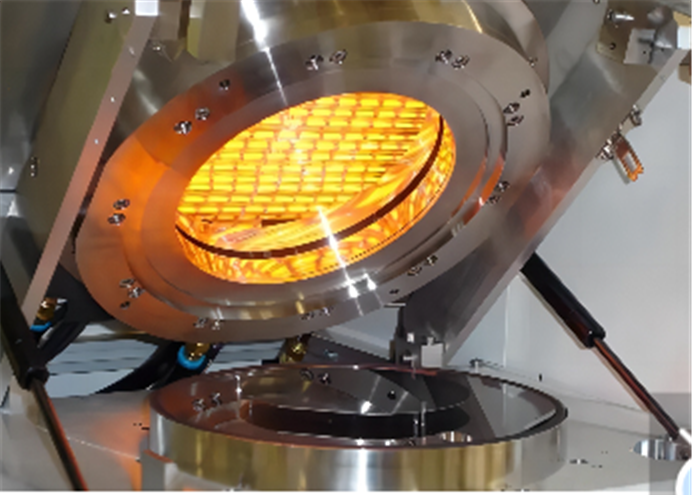
Smart Fabs are usually tight on space. You don’t want a massive, bulky forced-air system taking up half the floor. IR emitters give you high heat density in a tiny footprint. Plus, you can set up these arrays to hit specific spots on a wafer or substrate. Instead of heating the entire chamber like a giant toaster, you only heat what needs it. Your energy bill goes down, and your HVAC system doesn’t have to work overtime to keep the room from melting.
The balancing act: Power vs. Precision
Now, here’s the catch. High-output IR is intense. If you crank the wattage too high just to shave a few seconds off your cycle, you risk stressing your materials. You might even fry them. It’s all about the balance between your emitter power and how fast your conveyor is moving. We usually suggest pulsed power controllers to handle the duty cycle. It keeps your throughput high but stops those sensitive components from burning out. Once you wire this all into your central hub, the bottlenecks become obvious. You can see exactly where you’re wasting energy and where things are slowing down. That’s the real secret to moving past a standard factory and actually running a data-driven operation.