


Keeping Things Safe When Drying in a Chemical Fab
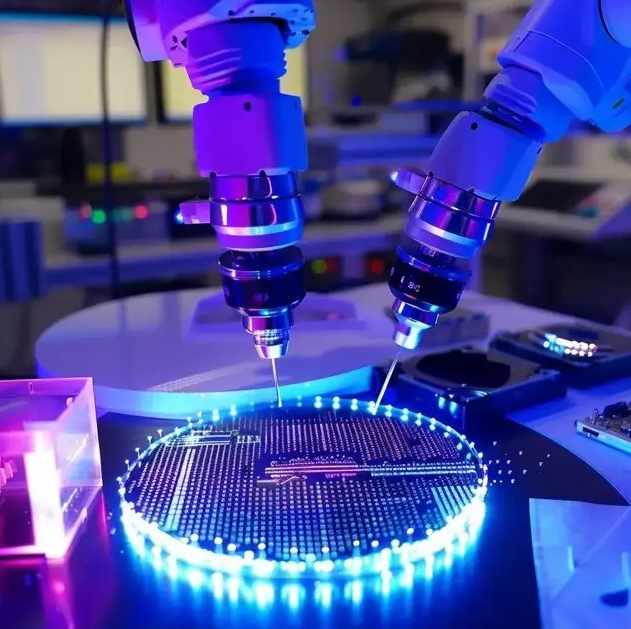
Let’s be honest: drying processes in a semiconductor or chemical fab can be nerve-wracking. You’ve got flammable solvents and volatile vapors floating around, and then you bring in infrared (IR) lamps. If a quartz envelope pops or a bit of electrical arcing happens, you aren’t just looking at a broken part—you’re looking at a potential fire. We decided to stop relying on open-air heating. Instead, we went with a sealed encapsulation system.
How the encapsulation actually works
We tuck the IR emitters inside a heavy-duty sleeve made of quartz or sapphire. It’s a physical wall between the heat and the air. But we didn’t stop there. We purge that gap with Nitrogen (N2). Because the inside is under positive pressure, if a leak ever happens, the gas pushes out. That means those explosive vapors can’t sneak their way into the lamp housing. We also spent a lot of time on the gaskets and flanges. Cheap seals just give up and “burn out” when they hit harsh chemical fumes and constant temperature swings. Ours are reinforced to handle the grind.
Dealing with the electrical side
Arcing is a nightmare in volatile zones. To stop it, we use flame-retardant wiring and beefed-up insulation on all our connectors. We also keep the power supply far away from the chemical spray. It just makes sense to keep the high-voltage stuff out of the splash zone. Then there’s the heat itself. If you push too much wattage, the quartz can crack. In a fab, that’s a disaster. We manage the heat flux precisely so the glass stays intact and the system stays stable.
The trade-off (the “catch”)
Here’s the thing: adding a protective sleeve means the heat has to work a little harder to get through. You’ll notice a slight dip in efficiency compared to a naked lamp. You might need to bump up the wattage or give your substrates a bit more time to ramp up to temperature. It’s a small adjustment. But when you compare a few extra seconds of drying to a catastrophic cleanroom fire? It’s a trade-off I’d make every single time.