
Making Lead-Free Biosensors Actually Work (Without Burning Them)
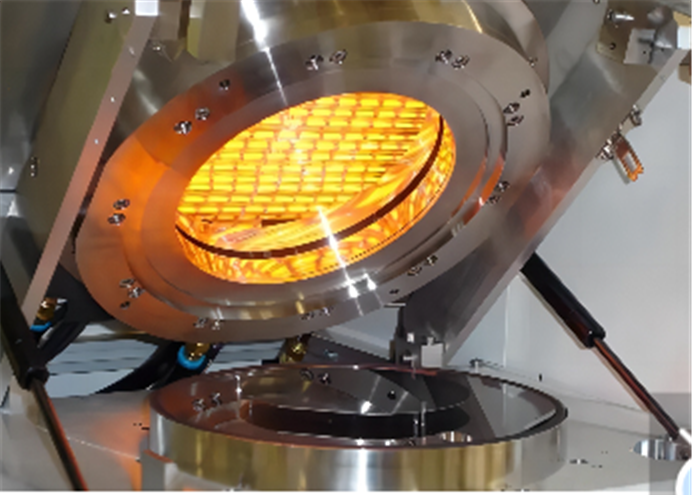
When you’re building biosensors, you’re walking a tightrope. You need enough heat to cure your adhesives and substrates, but if you push it too far, you fry the sensitive parts. It’s a delicate balance. That’s why we use short-wave infrared (IR) lamps. Instead of heating up all the air in a room just to get a part warm, IR dumps energy straight into the substrate. It’s direct. It’s clean. Stop wasting power on hot air Think about a standard convection oven. You’re basically paying to heat up a giant metal box and all the air inside it. It’s a waste. IR lamps are different. They target the specific parts of the material that actually need the heat. In a semiconductor setup, this means you hit your target temperature in seconds. Not hours. Seconds. It’s a huge win for the planet, too. Less power draw means a smaller carbon footprint for the cleanroom, which is a nice bonus while you’re speeding up your workflow. The lead-free headache Moving to lead-free standards isn’t exactly a walk in the park. You have to be way more careful with your temperatures. If you overheat a lead-free solder or a bio-polymer, things start to warp or off-gas. Not a good look. With IR, you can tune the wavelength to match your material. It feels more like a controlled soak than a blast of heat. This keeps the thermal stress down, which means your sensor arrays actually stay intact instead of failing the moment they leave the line. The catch (because there’s always one) Now, IR isn’t a magic wand you can just wave over any production line. The heat is intense. If your sensor has parts that are higher or lower than others, the curing can get uneven. You’ll end up with some spots that are perfect and others that are… well, burnt. You have to get your reflector angles and distances exactly right. My advice? Don’t wing it. Throw in a closed-loop pyrometer to keep an eye on the surface temperature in real-time. It’s the only way to make sure you don’t toast your substrate during those high-intensity bursts.