
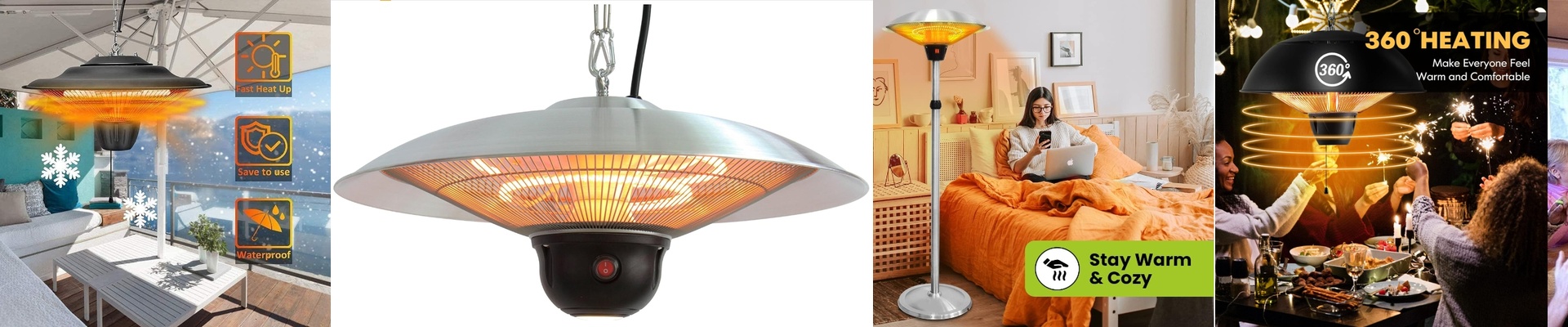
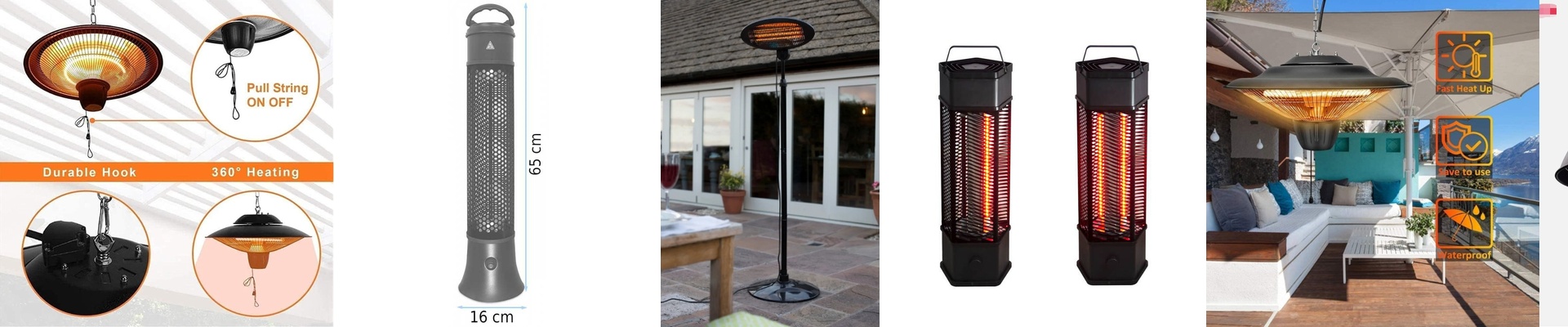
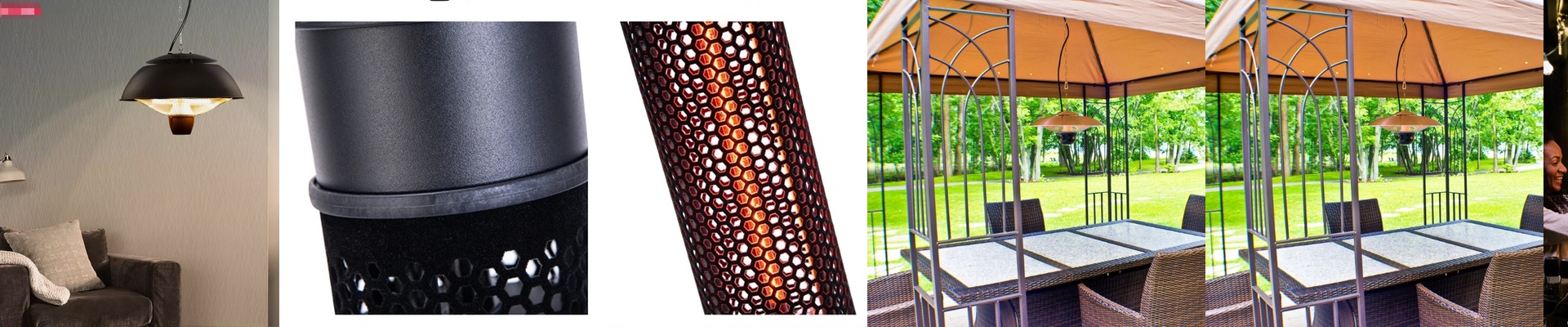
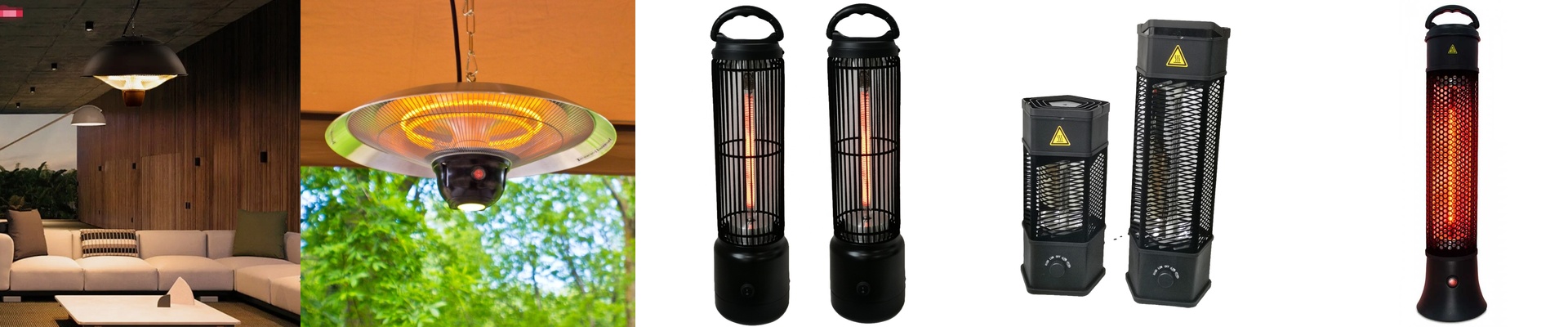
Why we put our bathroom lamps through “the torture chamber”
Let’s be honest: bathrooms are a nightmare for electronics. You’ve got thick steam, constant humidity, and wild temperature swings every single time someone hops in the shower. It’s a brutal environment. That’s why we don’t just build these lamps and hope for the best. We put every batch through damp-heat aging tests. Basically, we try to break them on purpose so they don’t break in your ceiling.
The battle against moisture
Most of these heaters use shortwave infrared quartz tubes. Now, the heat itself isn’t the problem—it’s the seal. Here’s the thing: steam is sneaky. If a seal isn’t perfect, moisture wicks its way into the quartz envelope and attacks the wiring. That’s how you get electrical tracking or, worse, a total short circuit. We simulate years of shower use by cycling the lamps in high-humidity chambers at high heat. We’d much rather see a seal fail in our lab than have a customer call us because their light died.
Dealing with the “shock”
Quartz is a bit temperamental. It expands and contracts fast. Imagine the lamp hitting peak temperature in seconds, then getting hit by a cold, damp breeze. That thermal shock puts a ton of stress on the connectors. If the fit is even a tiny bit off, the connection loosens up. A loose connection leads to arcing, and arcing burns out the socket. Simple as that. Our tests make sure the mechanical fit stays tight and secure, even after hundreds of these heat-and-cool cycles.
The balancing act
You might wonder why we don’t just seal the whole thing in a waterproof box. Well, there’s a catch. If we seal it too tight to keep the moisture out, the internal electronics can’t breathe. They overheat and fry. It’s a bit of a balancing act. We design vented pathways that let the heat escape but keep the steam away from the circuitry. It works great, but it does mean you need to make sure there’s enough airflow during installation. Give the lamp some room to breathe, and it’ll last a lot longer.