




Making Infrared Heaters That Actually Work in Wet Spaces
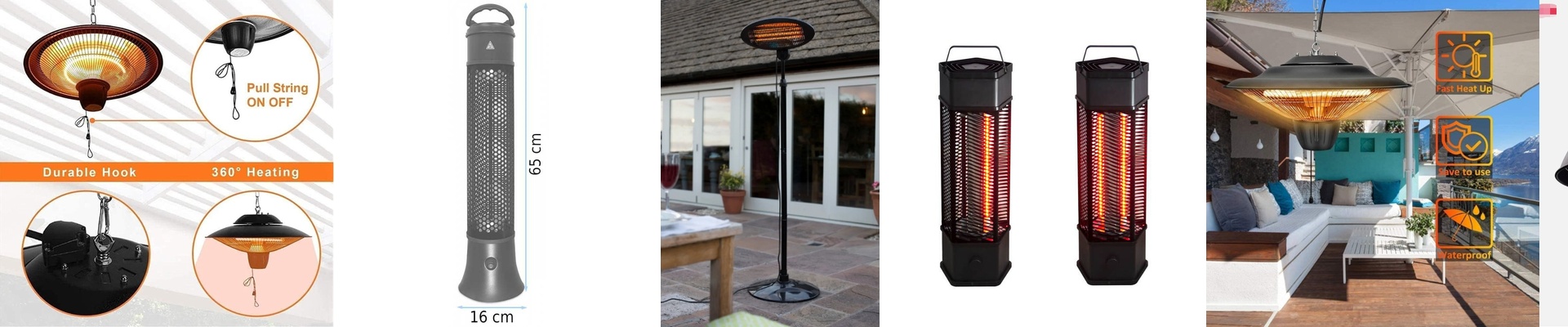
Most heaters and water don’t get along. Put a standard heating element in a steamy bathroom or a rainy patio, and you’re usually looking at a short circuit or a rusted-out mess. That’s why we build our infrared heaters with an IPX5 rating. Basically, it means the housing can take a direct hit from water jets and keep on ticking. It makes them a breeze to install in those “danger zones” where moisture is just a part of life.
Heat That Hits Instantly
Here is the cool part: infrared isn’t about warming up the air around you. Instead, it beams energy directly onto you. We use short-wave emitters that get hot in a matter of seconds. When you hook these up to a smart home hub—using something like Zigbee or Matter—you get rid of that annoying wait time you get with old-school convection heaters. You hit the switch, the filament glows, and you feel the warmth immediately. It’s fast. Really fast.
Getting Smart With It
To make the experience feel natural, we pair the heater with a smart controller. You can run everything through a mobile app or a digital thermostat that tells a heavy-duty relay to kick in. Just a heads-up: make sure you use a high-amp relay. These heaters pull a lot of power the moment they start up, and you don’t want to fry your hardware. The best way to use these? Set them to trigger when you actually need them. Imagine your sensor picks up you walking into a freezing bathroom at 6:00 AM. By the time you’ve even stepped inside, the room already feels cozy.
The Trade-offs (The Honest Bit)
Nothing is perfect. Making something waterproof usually means adding bulk. All those seals and gaskets that keep the water out can accidentally trap heat inside the chassis. You have to be smart about your ventilation. If you seal the unit too tightly without giving the internal circuit board a way to breathe, you’re going to kill the lifespan of the components. It’s a balancing act: keep the water out, but let the internal heat escape. Also, keep an eye on your wattage. Don’t push it too far, or you’ll be spending your winter morning resetting the breakers in your garage.