

Heating Up Wet Rooms Without the Headache
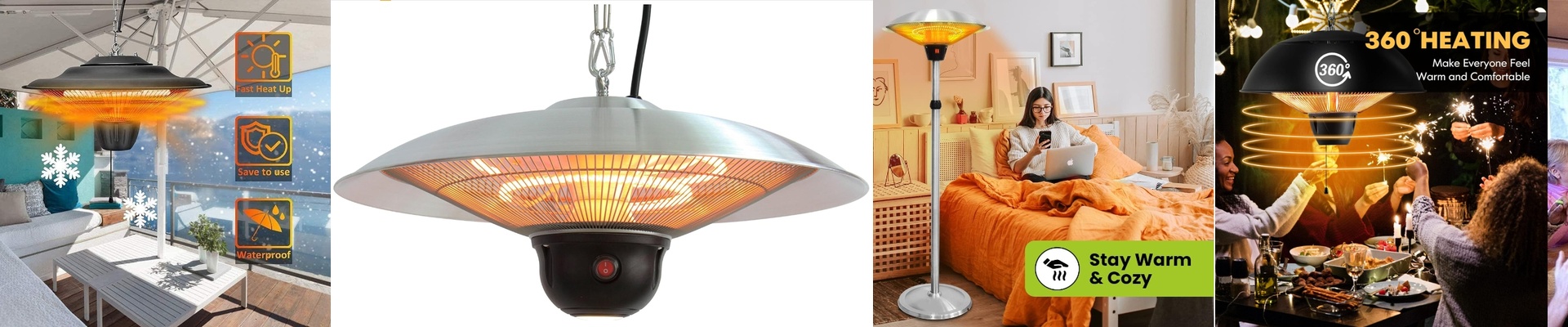
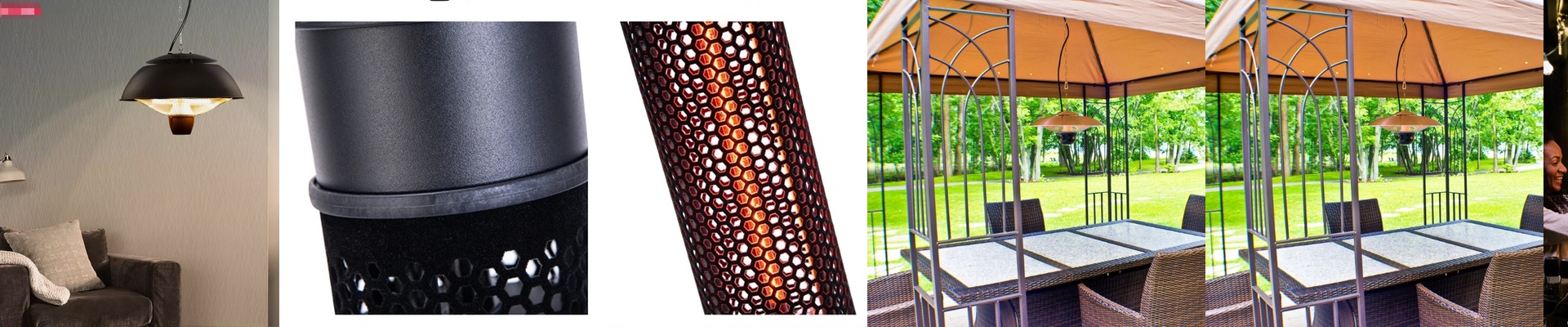
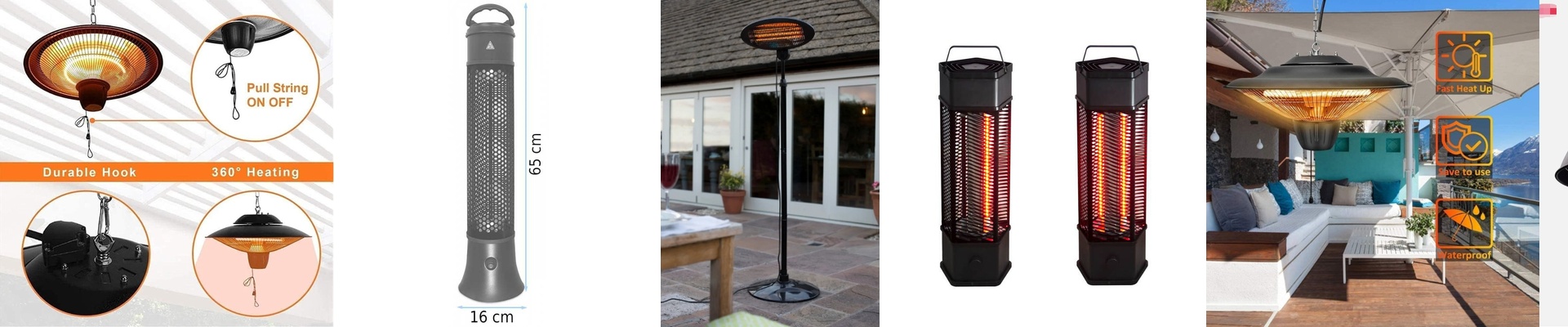
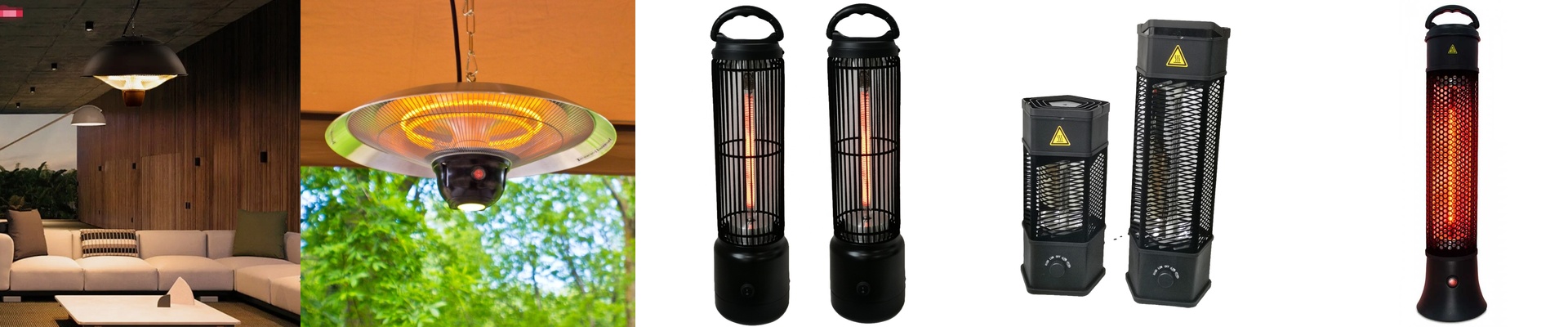
Let’s be honest: heating a changing room or a pool area is a bit of a nightmare. You’ve got constant humidity, water splashing everywhere, and people who just want to feel warm now—not twenty minutes from now. That’s why we lean on short-wave infrared heaters. Most heaters try to warm up the air, which is a losing battle in a drafty, damp room. These units are different. They beam heat directly onto the person, turning a freezing locker room into a cozy spot in a matter of seconds. Dealing with the damp When you’re working around pools or showers, water is the enemy. That’s where the IP44 rating comes in. In plain English? It means these units can handle splashes from any direction without blowing a fuse. We seal the wiring and the housing tight. It keeps the steam and spray out of the guts of the machine, so you don’t have to worry about corrosion or the whole thing shorting out just because the humidity spiked during the morning rush. Why short-wave? Here is the cool part. Short-wave infrared doesn’t care about the air temperature. The energy moves at the speed of light and hits your skin and clothes directly. No waiting. No “warm-up” period. You step under it, and you’re warm. Period. A few things to watch out for It’s not just “plug and play,” though. You’ve got to get the installation right. First, you need a dedicated circuit. These lamps pull a lot of power, so if your breakers or cable gauges are too thin, you’re going to be dealing with nuisance trips right when the room is busiest. Not a great look. Then there’s the placement. It’s a balancing act. Mount them too low, and you’ll bake whatever is directly underneath. Mount them too high, and that “instant” warmth disappears. You have to find that sweet spot with the height and angle to make it feel just right.