Why we’re ditching forced air for IR in bio-sensor fab
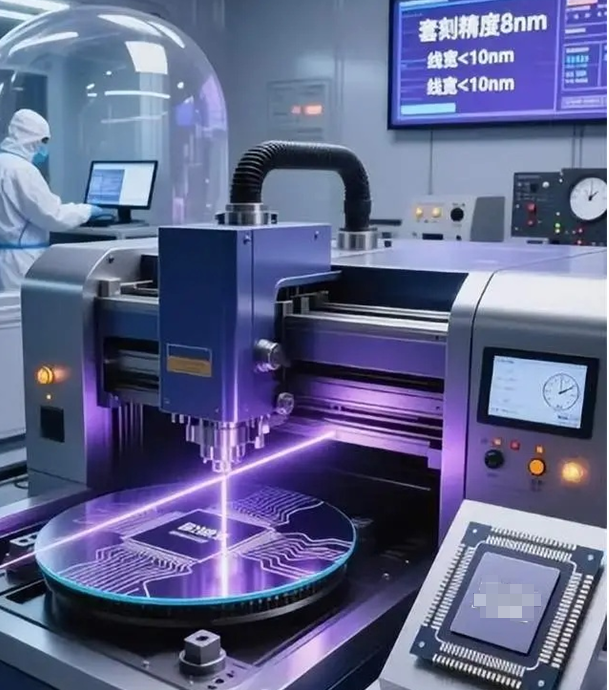
If you’ve spent any time in semiconductor processing or bio-sensor fabrication, you know the frustration of waiting. You’re staring at a chamber, waiting for the air to get hot enough to actually do something. It’s a slog. That’s why we’ve moved toward infrared (IR) lamps. It really comes down to one thing:time. Forced air is just slow. You have to heat up every single cubic inch of air in the chamber before your substrate even feels a thing. It’s like trying to warm up a room with a hair dryer. IR lamps are different. They don’t bother with the air; they shoot energy straight into the material. It’s nearly instant. In bio-sensor work, where you’re dealing with delicate curing or dehydration, this is huge. We’re talking about cutting ramp-up times from minutes down to seconds. But it’s not just about the clock. When you use hot air, you often end up with “hot spots” on the edges while the center is still lukewarm. IR lets us target the heat exactly where it needs to go. No more guessing. Plus, your floor space opens up. You can rip out those massive blowers, the clunky ducting, and all that heavy insulation that comes with convection ovens. We’ve made these lamps easy to drop right into your existing lines. Just wire them to a PID controller, and you’ve got tight, predictable temperature swings. Now, I won’t tell you it’s a magic fix. There are things you have to watch out for. IR energy is intense. If your lamp is too close to the part, you’ll burn right through your substrate. You also have to deal with the “shadow effect”—if a fixture is blocking the light, that spot stays cold. If your sensor has a complex 3D shape, you can’t just use one lamp. You’ll need to array a few of them to make sure every angle is covered. And a heads-up: you’ll probably need to beef up your cooling system, because that radiant heat likes to bounce back into the housing. It takes a bit of tweaking to get the distance and the layout just right, but once it’s dialed in? The difference in your workflow is night and day.