


Why Your Bathroom Heater Should Do More Than Just Warm Your Skin
Most people think a bathroom heat lamp is just there to keep you from shivering while you’re naked. But we looked at it differently. We wanted these units to actually fight the biggest enemy of any bathroom: dampness. By tweaking the infrared spectrum, we can actually target moisture on your walls and stop mold before it even starts.
The Secret Sauce: Shortwave Infrared
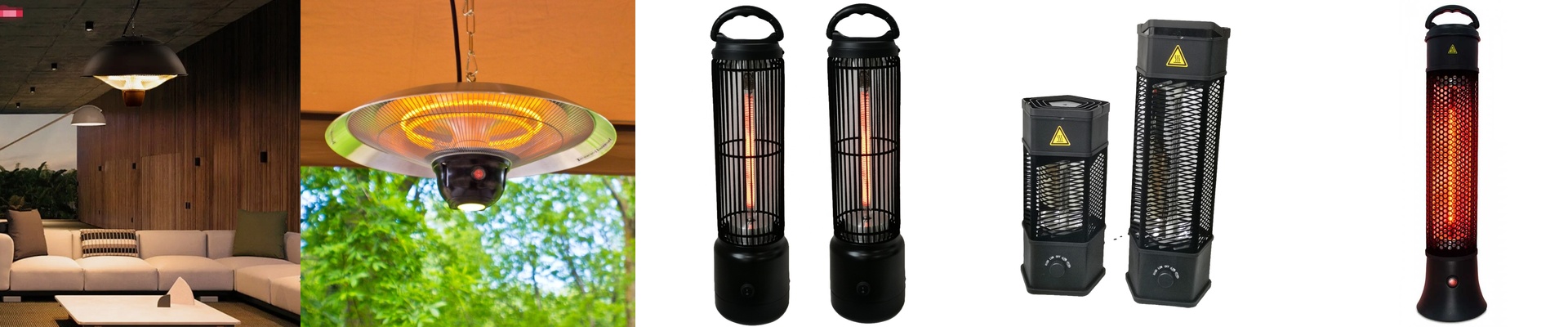
Here’s how it works. We use something called shortwave infrared (SWIR) emitters in our ceiling units. Most heaters just warm up the air, which is fine, but it doesn’t really do anything for the room. SWIR is different. It sinks deep into porous surfaces. When you fire up a high-wattage quartz lamp, the energy doesn’t just float around—it hits those damp spots on your walls and ceiling and pushes the water right out. It’s fast. Really fast.
Killing Mold Without the Bulk
Mold is pretty simple. It just wants stagnant air and a wet wall to call home. Our lamps create a quick burst of heat right where the wall meets the air. This creates a “dry zone” that makes it impossible for spores to get a grip. It’s a clever way to dry out the room without having to cram a giant, noisy dehumidifier or a bunch of bulky fans into a tiny bathroom.
The Trade-off
Now, there is a catch. Shortwave emitters gethot. Like, really hot. If you mount them too low or use a cheap housing, you might actually scorch your ceiling. You’ve got to get the mounting height just right so you get the drying power without ruining your paint job.
A Few Tips for Installation
These are designed to be easy drop-in replacements for your old fixtures, but don’t cut corners. Use high-temp wiring. Also, keep an eye on your power supply. If your voltage drops, the lamp doesn’t hit the right wavelength, and you lose that mold-fighting magic. Keep the power steady, and your bathroom stays dry.