
Stop Letting Your Drying Process Kill Your Yield
If you’re running a Class 100 cleanroom, you already know the nightmare. One tiny speck of dust or a microscopic flake from a heating element lands on a MEMS sensor wafer, and suddenly your surface tension is shot. Your yield drops. It’s frustrating, and frankly, it’s expensive. That’s why we switched to high-purity synthetic quartz IR lamps. No flakes. No off-gassing. Just clean heat.
Why the quartz actually matters
Most glass just can’t handle the heat without breaking down or releasing those annoying volatile organic compounds (VOCs). We use fused silica because it stays stable even when things get scorching. Think of the quartz envelope as a vault. It keeps the tungsten filament locked away from your cleanroom environment. You get the radiative heat you need, but there’s no physical contact and no airflow to carry contaminants onto your wafers. It’s a much safer way to work.
Getting the heat right
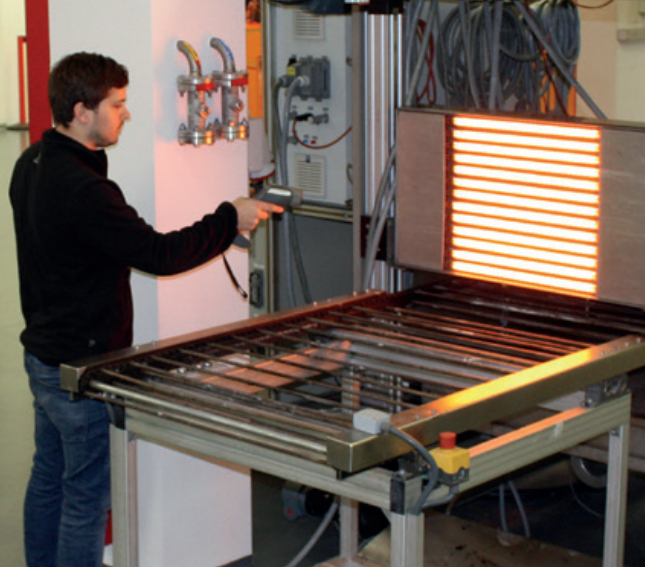
The trick with MEMS drying is moving fast. You need to evaporate those rinse liquids quickly, but you can’t just blast the substrate until it overheats. Our IR lamps use short-wave radiation that cuts right through the liquid film. We can tweak the wattage and voltage to fit your specific wafer size, so it feels tailored rather than “one size fits all.” But here’s a heads-up: when you’re pushing these lamps to the limit to shave a few seconds off your cycle, the ends get hot.**Really hot.**You’ll want to make sure your housing has solid heat sinking or water-cooled jackets. Otherwise, you might find your cleanroom chassis starting to warp, and nobody wants to deal with that.
Plugging it in and keeping it running
We kept the connectors standard. Why? Because we want these to be a simple drop-in replacement for the drying modules you already have. They have a tiny footprint, so you can tuck them closer to the wafer for better efficiency. We also ditched the adhesives and coatings—those things always end up flaking off eventually. Instead, it’s just a clean, mechanical fit. And when a lamp finally burns out? You just swap it. No need to spend hours re-calibrating the entire thermal profile of your chamber. You just get back to work.