



Stop letting your heaters ruin your hydrogen sensors
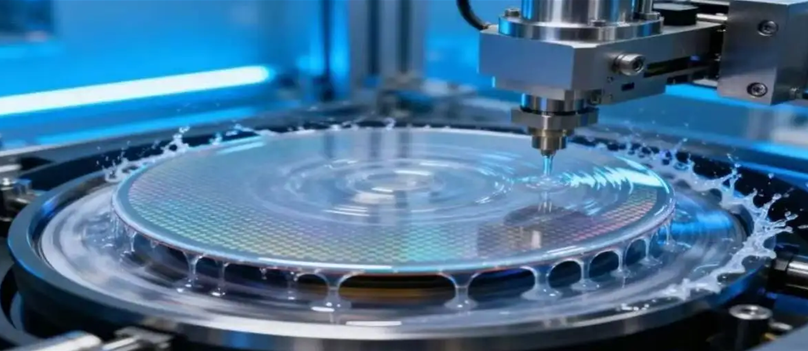
If you’ve spent any time in a Class 100 cleanroom, you know the drill. It’s stressful. A single speck of dust or a tiny bit of gas leaking from a heating element can kill an entire batch of sensors in seconds. The problem is that most standard heaters are “dirty.” They shed particles or release weird fumes (VOCs) the moment they start warming up. It’s a nightmare for anyone trying to keep things pristine. That’s why we switched to high-purity quartz IR lamps. The secret is in the material We use synthetic fused silica for these lamps. It’s different from your run-of-the-mill glass. It doesn’t really expand or contract much when the temperature swings, so you don’t have to worry about the tube cracking or flaking off little shards of glass into your work. We also stripped out all the organic glues and binders. No adhesives. No junk. The result? Your heater doesn’t “smoke” or off-gas when it hits peak heat. It just works. Heat that actually hits the target When you’re fabricating sensors, you need the heat exactly where it belongs. Our IR lamps use short-wave radiation. Instead of heating up all the air around the sensor—which creates those annoying convection currents that blow dust onto your wafers—the heat goes straight into the substrate. It’s fast. Really fast. And the temperature stays consistent across the whole zone, which takes a lot of the guesswork out of the process. A few things to keep in mind These are designed to slide right into your vacuum or controlled-atmosphere chambers. We use gold-plated or high-grade alloy contacts, so you don’t have to deal with oxidation at the connection points. But here is the catch: high-purity quartz is a bit more fragile than reinforced glass. **Whatever you do, don’t touch the tubes with your bare hands.**The oils from your skin create these tiny “hot spots” that can cause the tube to fail way too early. Make sure your team is using lint-free gloves and IPA wipes during the install. Yeah, they cost more upfront than the cheap stuff. But when you look at how many fewer sensors you’re throwing in the trash, the math pretty much does itself.