




Cutting Carbon in the Fab: Why Shortwave IR Just Makes Sense
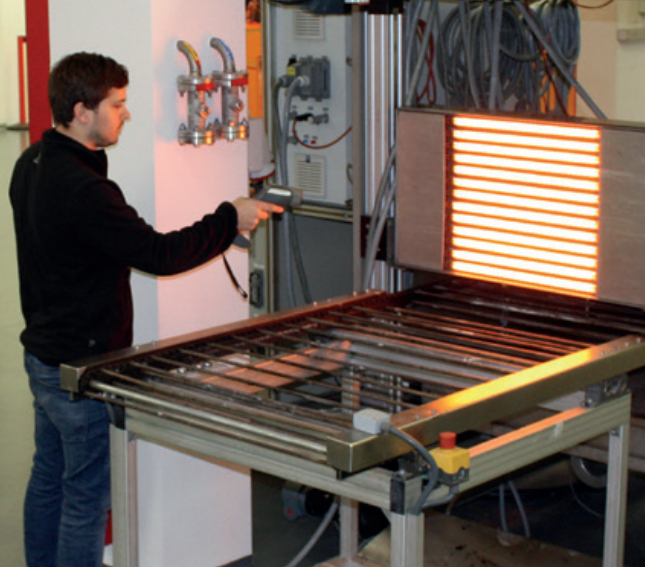
Everyone in the semiconductor world is feeling the heat to hit carbon neutrality. It’s a lot of pressure. When you look at where the energy is actually going, a huge chunk of the waste happens during wafer heating and curing. That’s why we’ve moved toward shortwave infrared (IR) lamps. Instead of trying to heat up the entire chamber—which is basically like trying to warm up a whole room just to heat one cup of coffee—IR sends energy straight to the wafer surface.
The Energy Drain
Traditional resistive heaters are, frankly, a bit wasteful. They spend way too much time heating the surrounding air and the chamber walls. Shortwave IR works differently. It hits a spectrum that silicon and other common substrates just soak up instantly.It’s fast. Really fast. When you shave even a few seconds off the heat-up cycle for every single wafer, those kWh savings start to add up across a whole lot. Now, a quick heads-up: we build these for high power density. But if you’re packing that much wattage into a small space, you have to get your cooling manifolds right. If the airflow is sluggish, you’ll cook the lamp ends and kill your tube life way sooner than you should.
What’s Under the Hood?
We use high-purity quartz envelopes and halogen cycles for these lamps. The halogen gas is the secret sauce—it stops the tungsten filament from evaporating and gunking up the tube walls. That keeps the lamp clear and the heat consistent for thousands of hours. Depending on what kind of wafers you’re running, we can add specialized coatings to the quartz. This lets us block the wavelengths you don’t need and focus the energy exactly where it belongs. And the best part? You can plug these right into your existing PLC controllers with standard industrial connectors. It’s a simple swap for the old, clunky tech.
The Real-World Win
The biggest win here is getting rid of that “idle” energy draw. Since IR lamps snap on and off almost instantly, you don’t have to keep your system idling at temperature while you wait. You just turn it on when you need it. It’s a relief for your factory’s carbon footprint, and your HVAC team will thank you for taking some of the load off the facility’s cooling systems.