
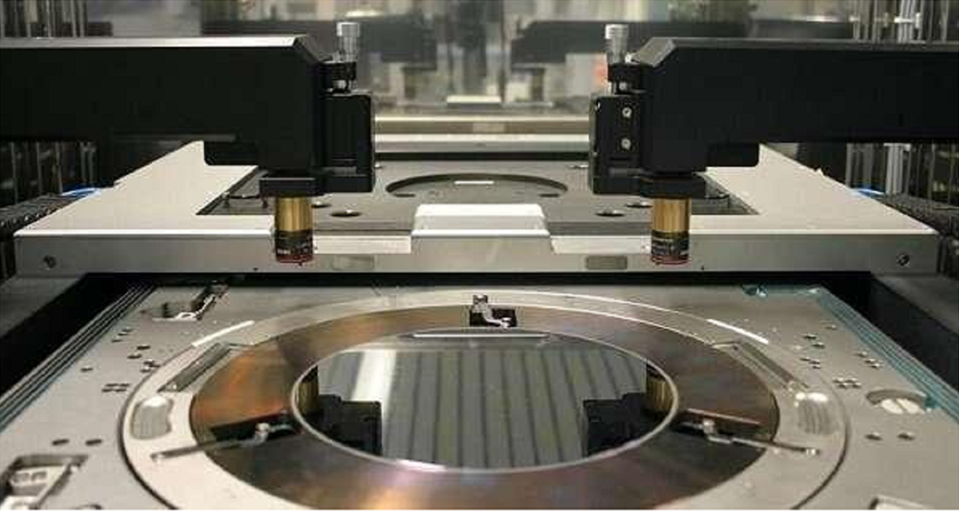
Getting the Heat Right for Bio-Sensor Wafers
When you’re building bio-sensors, the heat you apply to a wafer isn’t just a setting on a dial—it’s everything. If you miss the mark, you ruin the batch. That’s why we use infrared (IR) lamps paired with gold-coated reflectors. The idea is simple: we don’t want that energy leaking into the machine’s frame. We want every bit of it hitting the substrate. Why the gold? Most people start with aluminum reflectors, but here’s the problem: aluminum absorbs too much. It’s wasteful. We switched to high-purity gold because it’s a beast at reflecting infrared light. Instead of the heat spraying everywhere like a leaky hose, the gold layer bounces those photons right back onto the wafer. It makes the whole system way more efficient. You get the surface temperatures you need without having to crank the power draw to dangerous levels. It just works better. Dealing with the intensity Now, when you’re running a high-wattage IR setup, things get hot. Fast. We design these lamps to hit very specific targets across the wafer. You can’t afford “hot spots”—that’s how you warp a sensor array and throw the whole project in the trash. But there’s a catch. All that concentrated radiation doesn’t just heat the wafer; it heats the air and the housing around it. If your cooling manifolds aren’t sized right or your airflow is sluggish, your temperature stability will start to drift. It’s frustrating, and it’s avoidable. Fitting it into your line We kept the footprint tight. These lamps are designed to be “drop-in,” meaning you can swap one out without spending hours recalibrating the focal length of the reflector. The real win here is the speed. Because the gold coating is so efficient, the wafer hits the target temperature much faster. That cuts down your cycle times and, more importantly, saves those sensitive bio-active layers from unnecessary thermal stress. It’s cleaner, faster, and a lot less stressful for the hardware.