Stop Heating Your Machine Walls (And Start Heating Your Sensors)
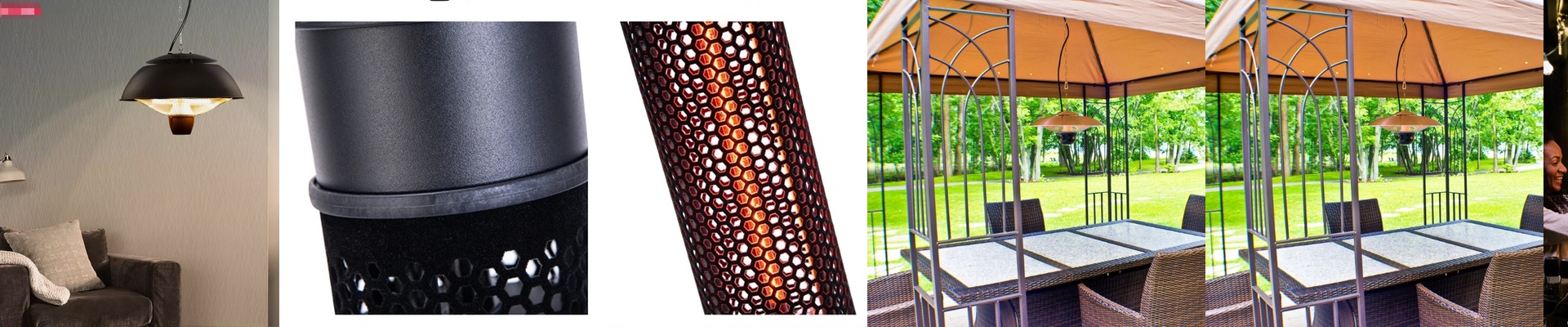
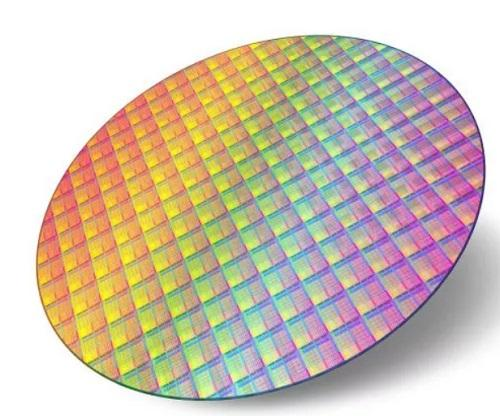
When you’re building biosensors, you want the heat exactly where it belongs: on the substrate. Not on the walls of your machine. Standard IR lamps are basically lightbulbs—they throw heat in every single direction. In a tight semiconductor chamber, all that wasted energy just soaks into the equipment housing. Before you know it, you’ve got “hot walls” that can actually burn your operators and make your process temperatures drift all over the place. It’s frustrating, and it’s inefficient. The trick is directional heating. Instead of just using a bare quartz tube, we use a reflective backing or a special coating. Think of it like a flashlight instead of a candle. It pushes the IR energy straight toward the target, concentrating the flux. The result? Your wafer or sensor chip gets the heat it needs, but the back end of the lamp stays cool to the touch. This is a huge deal for safety. If you’re running high-wattage lamps, you can’t just hope for the best. Directional heating keeps the external skin of your machine from becoming an oven. Plus, you don’t have to clutter your workspace with massive cooling fans or thick, bulky insulation just to keep things from overheating. But look, it’s not a “set it and forget it” miracle. Since you’re concentrating the beam, you’re creating a much more intense heat zone. That means your focal distance has to be spot on. If the lamp is too close, you’ll fry your biosensor with hot spots. Too far, and you won’t have enough punch to get the cure or bond you need. You’ll spend a little time calibrating the Z-axis height to find that sweet spot, but it’s worth it. We’ve made these to be drop-in replacements for most fab lines. Just wire it into your existing PID controller, dial in your distance, and you’ll feel the difference in the room temperature almost immediately.